
clawing back my attention span, one page at a time
current count: 54
2025: 38
2026: 16
"But you do love books as well, I know you do."
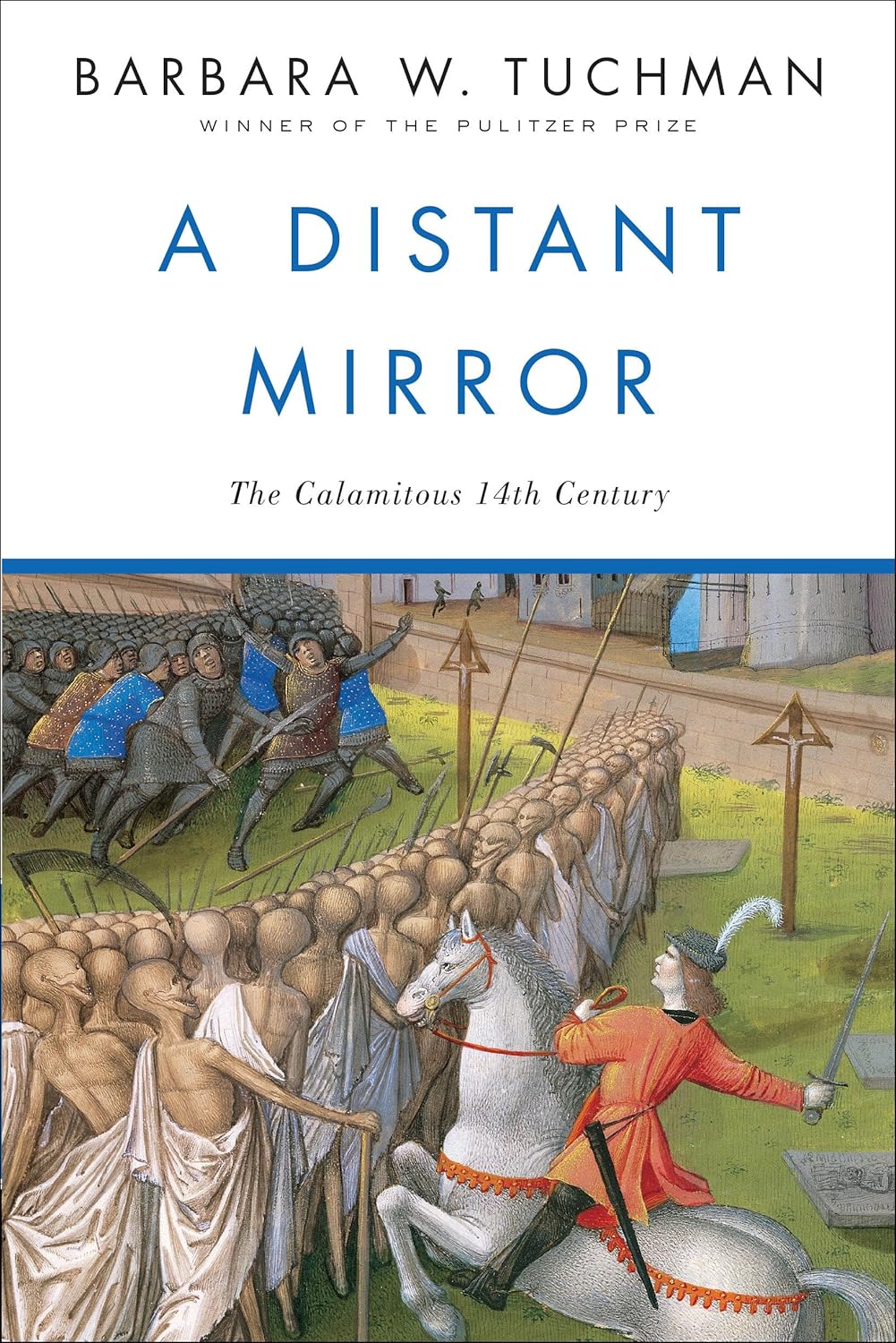
The fourteenth century reflects two contradictory images: on the one hand, a glittering age of crusades, cathedrals, and chivalry; on the other, a world plunged into chaos and spiritual agony. Tuchman examines not only the great rhythms of history but the grain and texture of domestic life: what childhood was like; what marriage meant; how money, taxes, and war dominated the lives of serf, noble, and clergy alike. Granting her subjects their loyalties, treacheries, and guilty passions, Tuchman re-creates the lives of proud cardinals, university scholars, grocers and clerks, saints and mystics, lawyers and mercenaries, and, dominating all, the knight in all his valor and “furious follies.”
When the dissolute Johnny Truant attempts to organize the many fragments of a strange manuscript by a dead blind man, the story slowly gains possession of his very soul. The manuscript is a complex commentary on a mysterious documentary, The Navidson Record, about a house that defies all the laws of physics — a film that may or may not even exist. Navidson's exploration of a seemingly endless, totally dark, and constantly changing labyrinth in the house, mirrored by Johnny's exploration of the manuscript, becomes an examination of truth, perception, and darkness itself.
Gilgamesh is a Babylonian story about love between men, loss and grief, the confrontation with death; the destruction of nature; insomnia and restlessness, finding peace in one's community, the voice of women, the folly of gods, heroes, and monsters — and more. Translating directly from the Akkadian, Sophus Helle offers a translation that reproduces the original epic's poetic effects, including its succinct clarity and enchanting cadence. Millennia after its composition, Gilgamesh continues to speak to us in myriad ways.
William Weaver & Richard Dixon (translators)
Italy, 1347. When Brother William of Baskerville and his apprentice, the novice Adso, travel to a wealthy abbey to attend a theological disputation, they find themselves arriving just as a series of bizarre deaths take place. Turning his practiced investigative skills to finding the cause, William relies not only on theology, but also on logic, empirical insight, and his own wry humor and ferocious curiosity. Together, William and Adso scour the abbey, from the stables to the scriptorium, to uncover the truth about this peculiar monastery and its labyrinthine library.
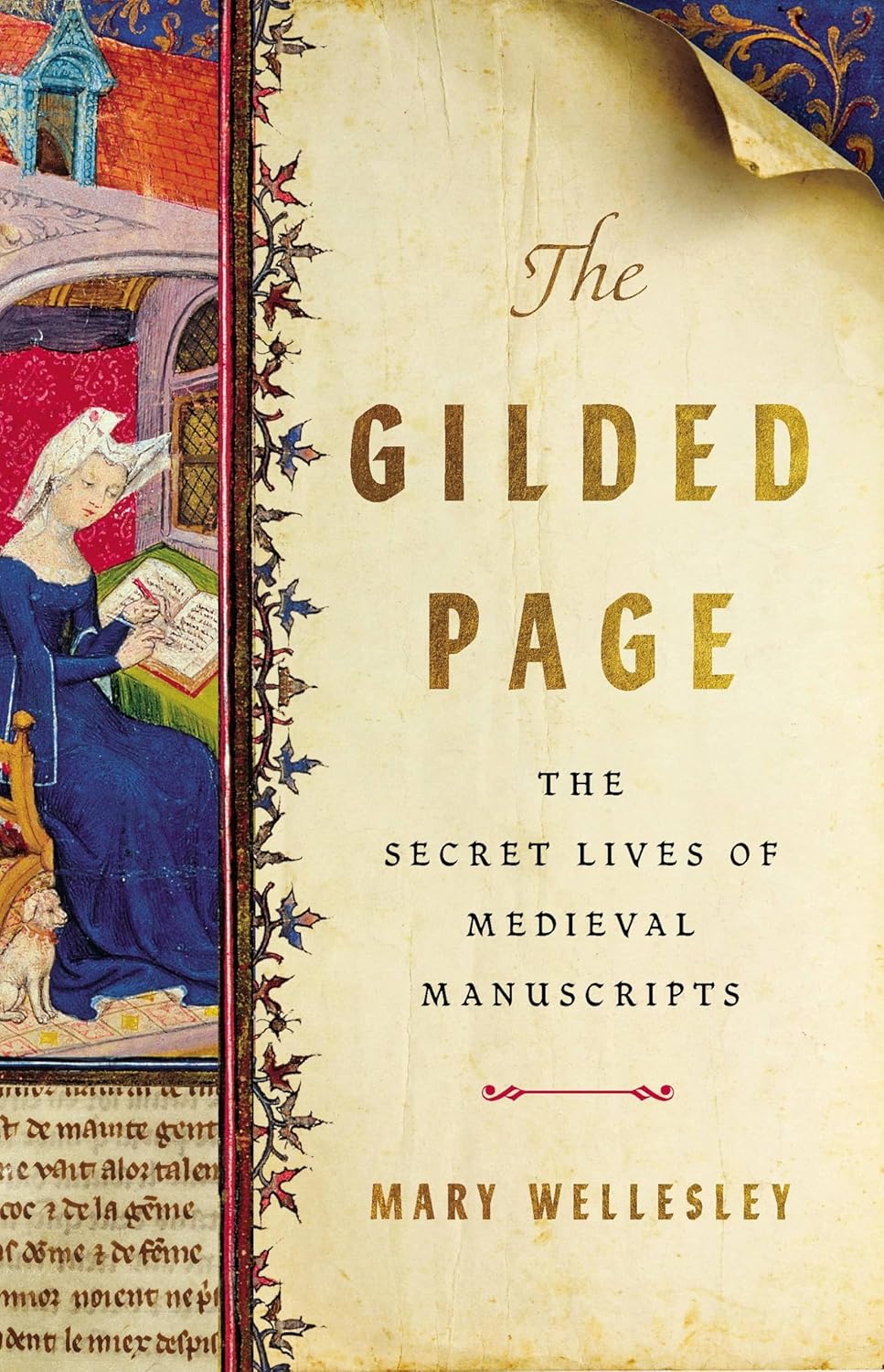
Medieval manuscripts can tell us much about power and art, knowledge and beauty. Many have survived because of an author's status — much of Chaucer's writing survived because he was a London-based government official first and a poet second. Other works by the less influential have narrowly avoided ruin, like the book of Margery Kempe, found in a country house closet with the cover nibbled on by mice. Wellesley recounts the origins of these remarkable manuscripts, highlighting the important roles played by ordinary people and especially by women — the grinders, binders, and scribes — in their creation and survival.
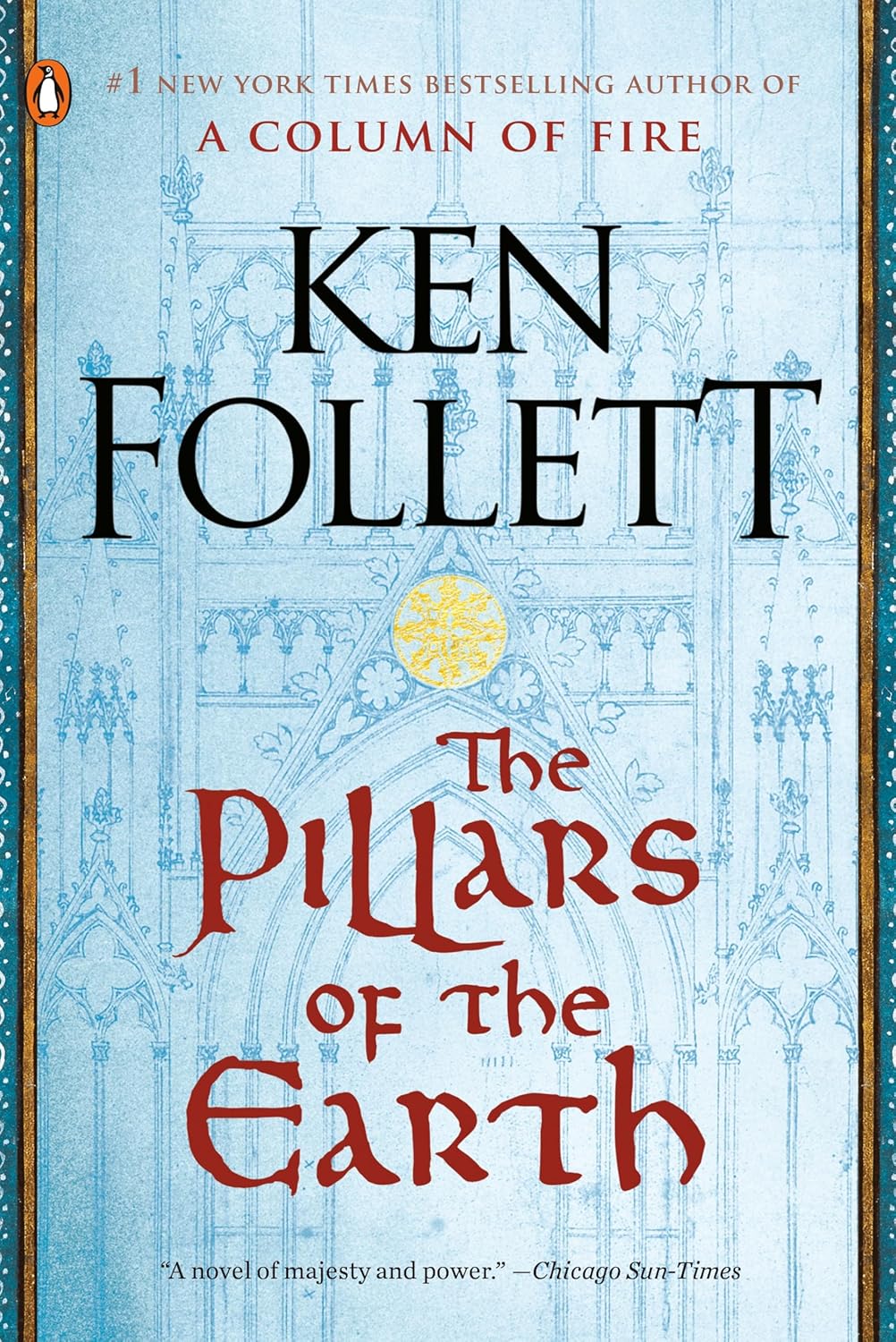
The Pillars of the Earth tells the story of Philip, prior of Kingsbridge, a devout and resourceful monk driven to rebuild his damaged, dying priory into something greater... of Tom, the mason who becomes his architect — a man divided in his soul between his family's needs and his obsession with building a perfect cathedral... of the beautiful, elusive Lady Aliena, haunted by a secret shame... and of a struggle between good and evil that will turn church against state and brother against brother. A spellbinding epic tale of ambition, anarchy, and absolute power set against the sprawling medieval canvas of twelfth-century England.
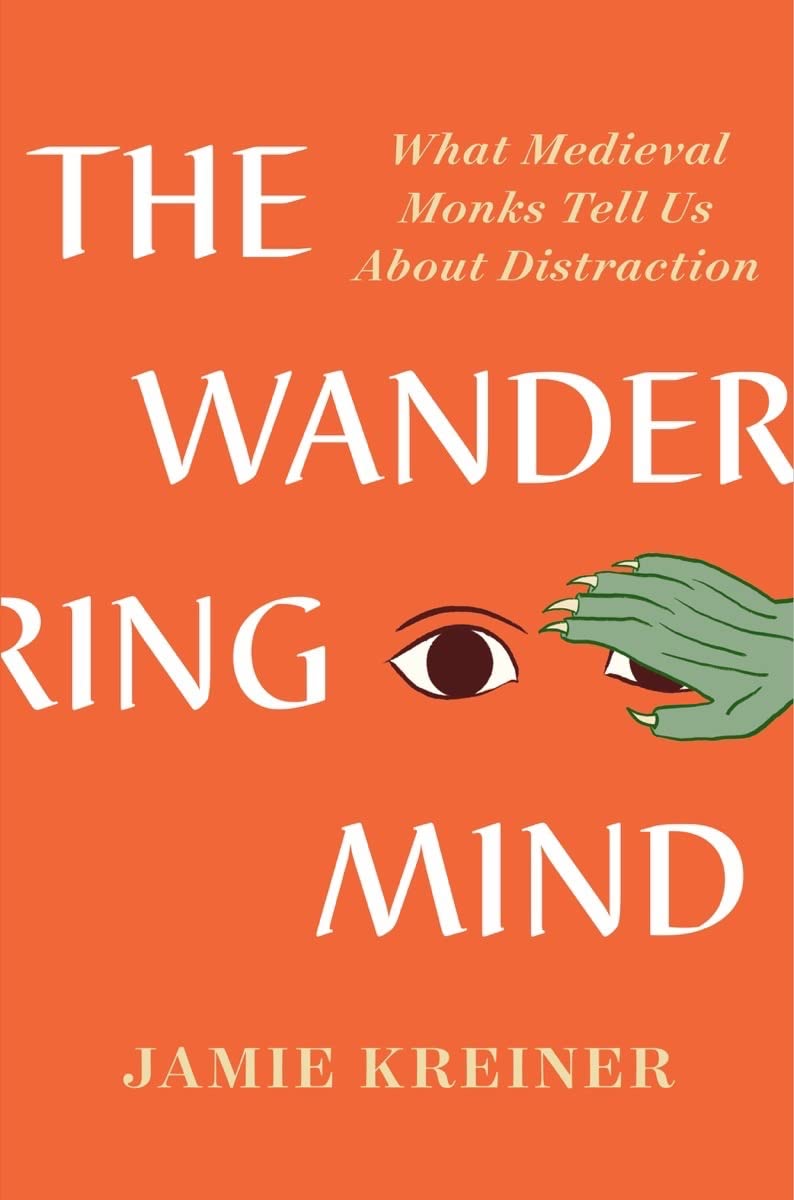
The digital era is beset by distraction. We dream of retreating into a world with less noise, almost like latter-day monks. But although we think of early monks as master concentrators, a life of mindfulness did not, in fact, come to them easily. Their attempts to stretch the mind out to God were all-consuming, and their battles against distraction were never-ending. Delving into the experiences of Christian monks from 300 to 900 CE, Kreiner shows that these men and women were obsessed with distraction in ways that seem remarkably modern; and at the same time, suggests that our own obsession is remarkably medieval.
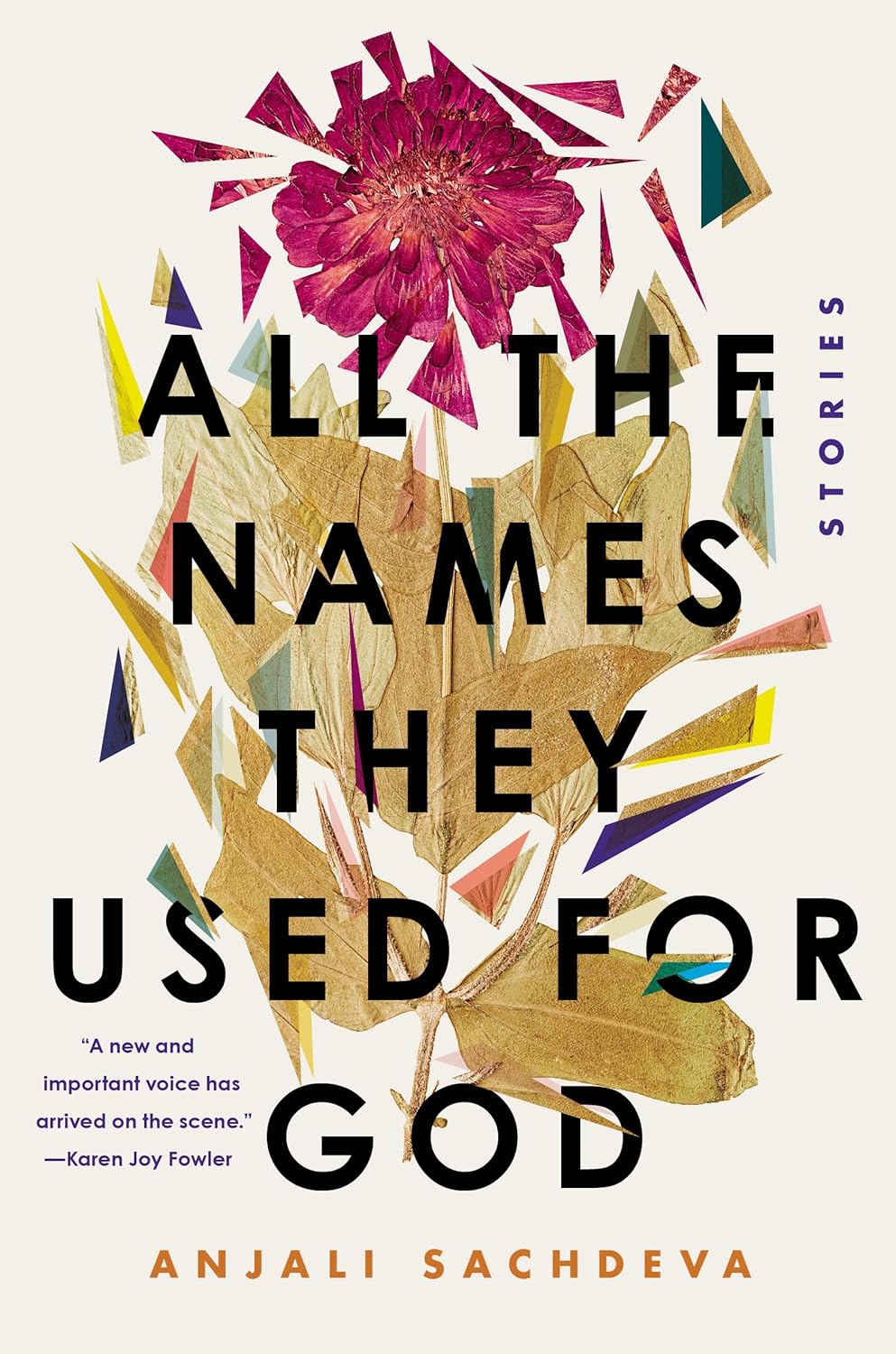
A dystopian tale about genetically modified septuplets who are struck by a mysterious illness; a love story about a man bewitched by a mermaid; a stirring imagining of the lives of Nigerian schoolgirls in the aftermath of a Boko Haram kidnapping. The stories in All the Names They Used for God are united by each character’s brutal struggle with fate. Like many of us, the characters in this collection are in pursuit of the sublime. Along the way, they must navigate the borderland between salvation and destruction.

This poetry collection celebrates the impossible truths of the natural world and the magic that hides in plain sight. Ranging from contemplations of mortality to appreciations of single-celled organisms, the poems in this collection highlight our connection to a living universe and affirm our place in a wilderness worthy of our love.
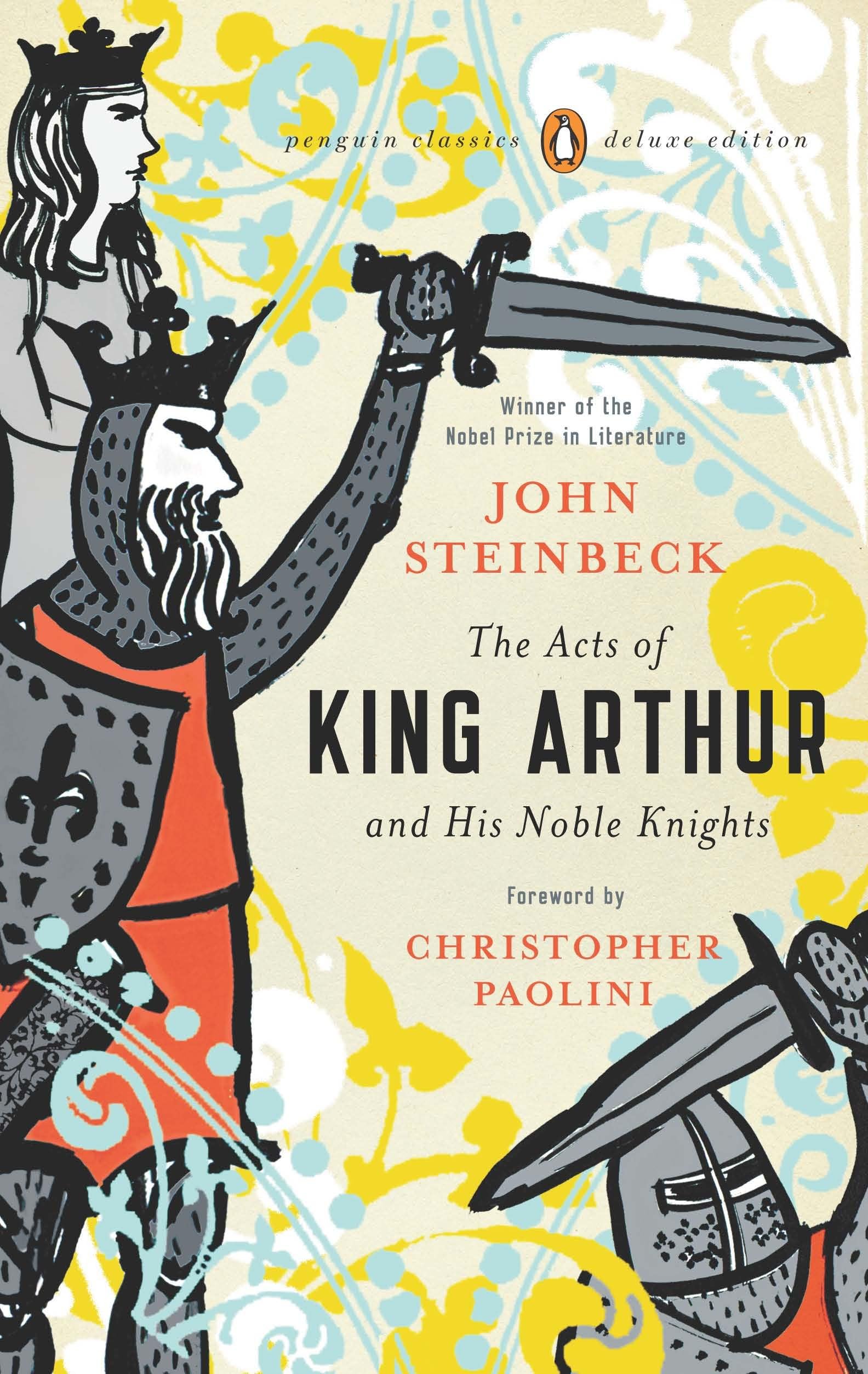
Malory’s Le Morte d’Arthur was the first book that John Steinbeck truly enjoyed reading as a child. Fascinated by Arthurian tales of adventure, knighthood, honor and friendship, in addition to the challenging nuances of the original Middle English, Steinbeck set out to render these stories faithfully and with keen animation for a modern audience. These enduring tales of loyalty and betrayal in the time of Camelot flicker with the wonder and magic of an era past but not forgotten.

Geoffrey Trousselot (Translator)
In a small back alley in Tokyo, there is a café which has been serving coffee for more than one hundred years. But this coffee shop offers its customers a unique experience: the chance to travel back in time. But the journey into the past does not come without risks: customers must sit in a particular seat, they cannot leave the café, and finally, they must return to the present before the coffee gets cold...

In the remote Welsh village of Gwytherin lies the obscure grave of Saint Winifred. Now, in 1137, the ambitious prior of Shrewsbury Abbey has decided to acquire her remains, hoping the relics will draw pilgrims and enhance the abbey's reputation — along with his own. The canny soldier-turned-herbalist Brother Cadfael, a native Welshman, is sent with the delegation as a translator, and finds the villagers of Gwytherin reluctant to give up their local saint's relics to English Benedictines. But even Cadfael isn't expecting the dispute to culminate in a grisly murder that entangles both the villagers and the monks.
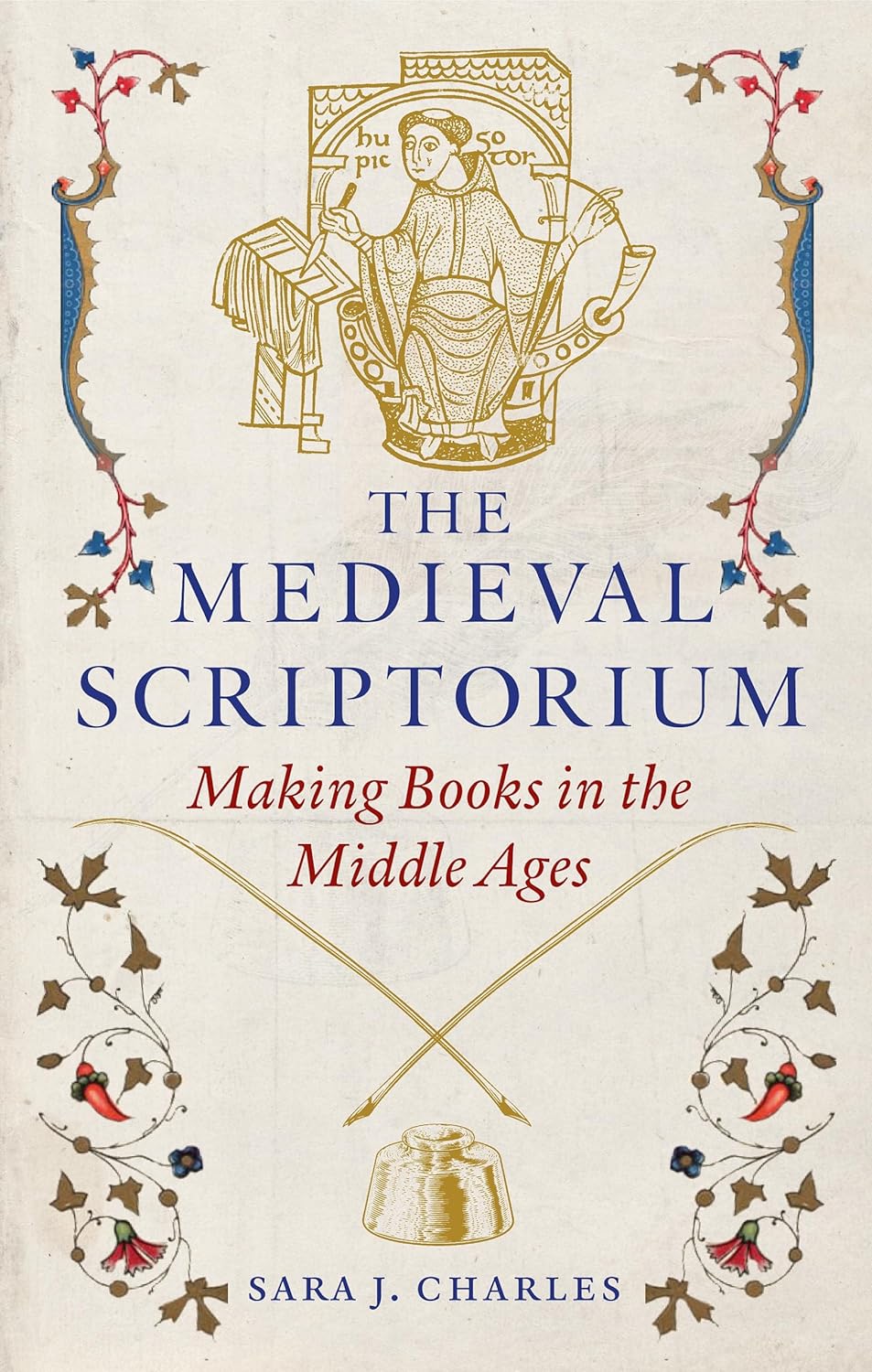
This book takes the reader on an immersive journey through medieval manuscript production in the Latin Christian world. Each chapter opens with a lively vignette by a medieval narrator — including a parchment maker, scribe, and illuminator — introducing various aspects of manuscript production. Charles explores the development of the manuscript, in terms of both its creation and its purpose, from its early Christian beginnings through to its eventual decline with the rise of the printing press.
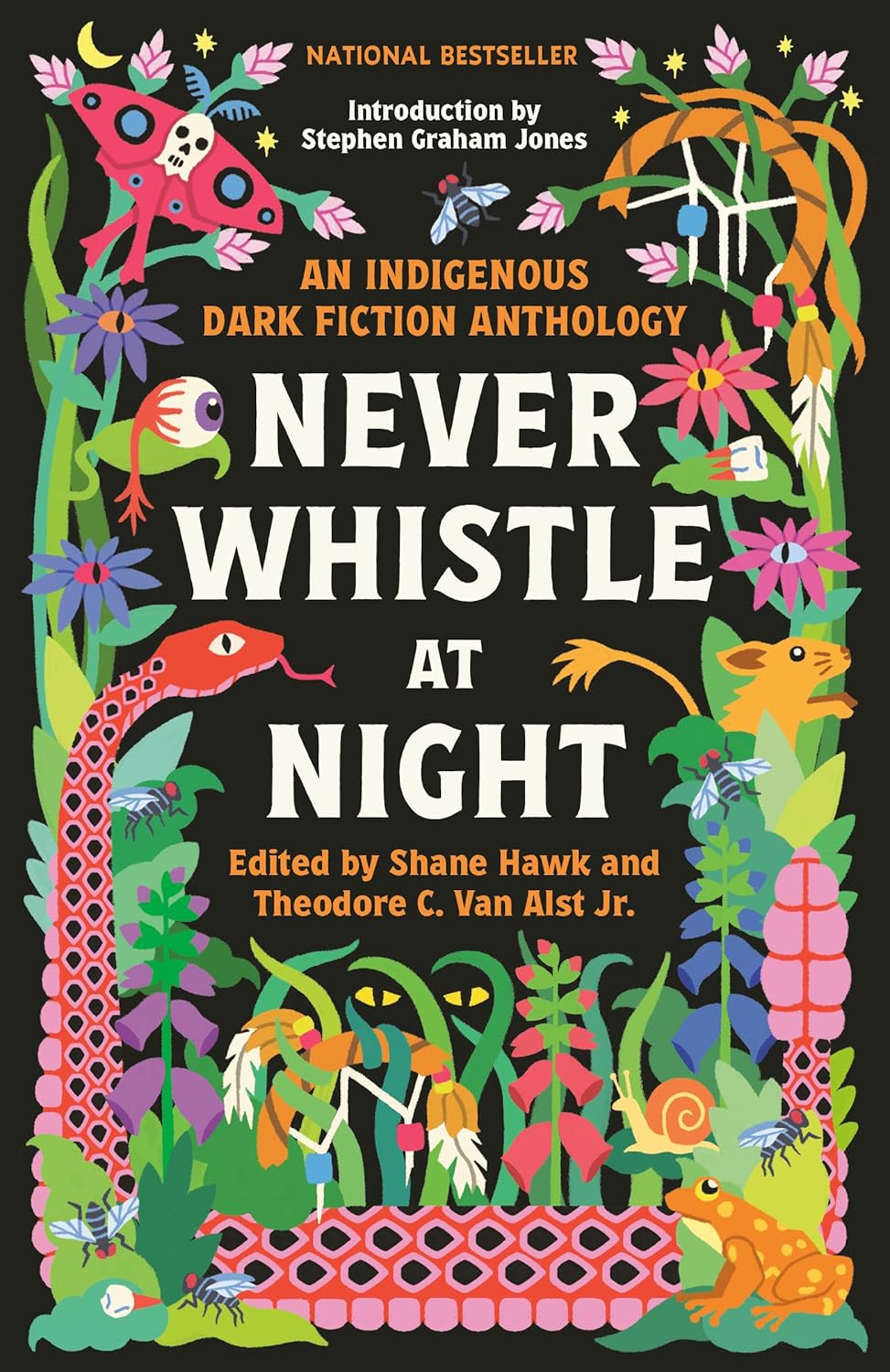
Theodore C. Van Alst Jr. (editors)
These wholly original and shiver-inducing tales introduce readers to ghosts, curses, hauntings, monstrous creatures, complex family legacies, desperate deeds, and chilling acts of revenge. Introduced and contextualized by bestselling author Stephen Graham Jones, these stories are a celebration of Indigenous peoples’ survival and imagination, and a glorious reveling in all the things an ill-advised whistle might summon.

Alison Watts (translator)
What are you looking for? This is the question routinely asked by Tokyo’s most enigmatic librarian, Sayuri Komachi, who has an uncanny ability to read not only books, but also the people who come to her library. For anyone who walks through her door, Komachi provides just the book recommendation they never knew they needed. Each visitor comes to her library from a different juncture in their careers and dreams; the conversations that they have with Komachi — and the books she lends each of them — will have life-altering consequences.
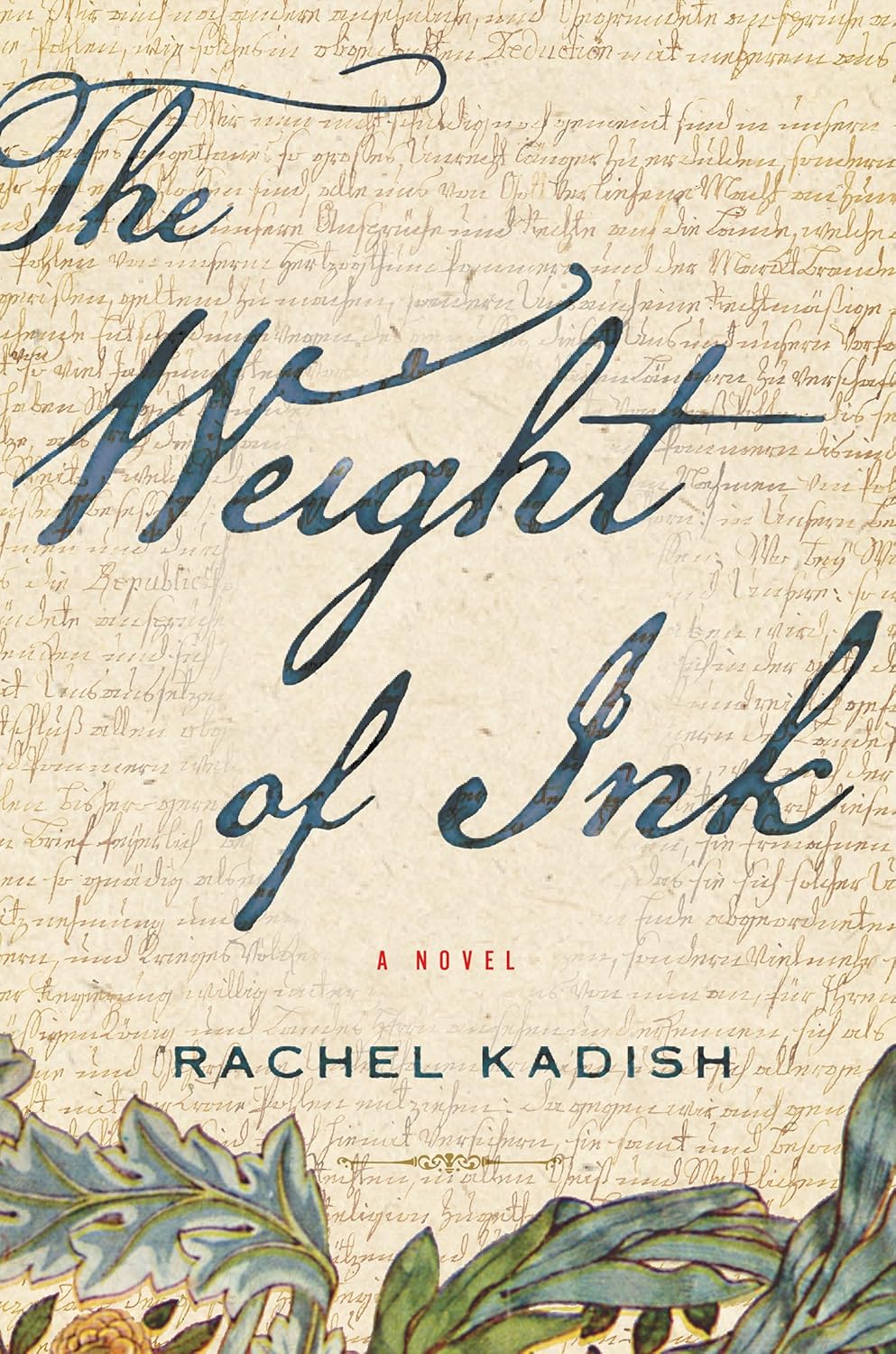
Set in London of the 1660s and of the early twenty-first century, The Weight of Ink is the interwoven tale of two women of remarkable intellect: Ester Velasquez, an emigrant from Amsterdam who is permitted to scribe for a blind rabbi, just before the plague hits the city; and Helen Watt, an ailing historian with a love of Jewish history. Helen has been summoned by a former student to view a cache of seventeenth-century Jewish documents newly discovered in his home during a renovation. Enlisting the help of Aaron Levy, an American graduate student as impatient as he is charming, and in a race with another fast-moving team of historians, Helen embarks on one last project: to determine the identity of the documents' scribe, the elusive “Aleph.”

In the summer of 1138, war between King Stephen and the Empress Maud takes Brother Cadfael from the quiet world of his herb garden into a battlefield of passions, deceptions, and death. Not far from the safety of the abbey walls, Shrewsbury Castle falls to Stephen, leaving ninety-four defenders who were loyal to the empress to hang as traitors. With a heavy heart, Brother Cadfael agrees to bury the dead, only to make a grisly discovery: one extra victim who has been strangled, not hanged, and hidden among the corpses. That can only mean that somewhere in Shrewsbury, there is a cunning, ruthless murderer... one who will walk free unless Cadfael can find the truth.
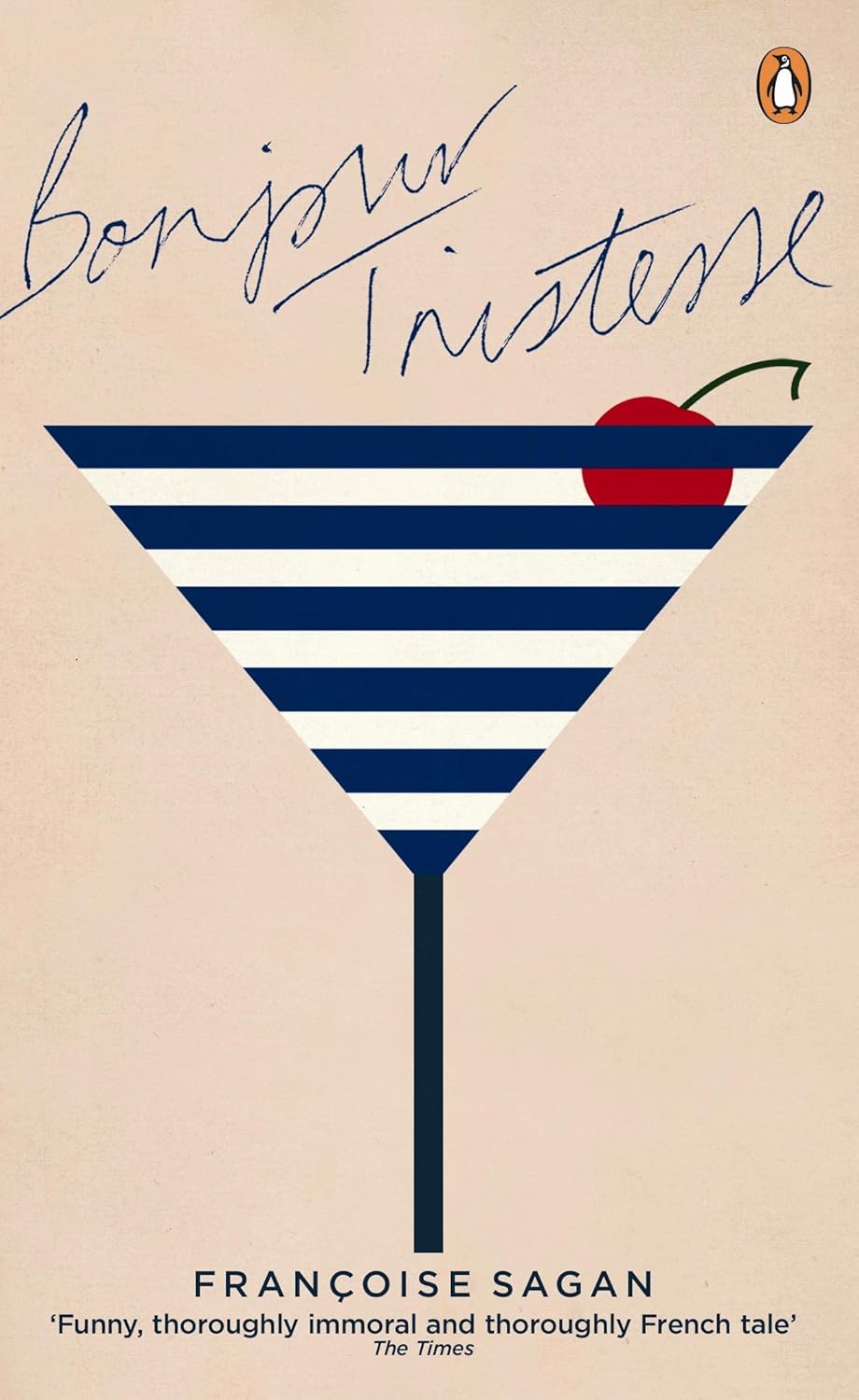
Endearing, self-absorbed, seventeen-year-old Cécile is the very essence of untroubled amorality. Freed from the stifling constraints of boarding school, she joins her father — a handsome, still-young widower with a wandering eye — for a carefree, two-month summer vacation in a beautiful villa outside of Paris with his latest mistress. But the arrival of her late mother's best friend intrudes upon a young girl's pleasures. And when a relationship begins to develop between the adults, Cécile sets in motion a plan to keep them apart... with tragic, unexpected consequences.
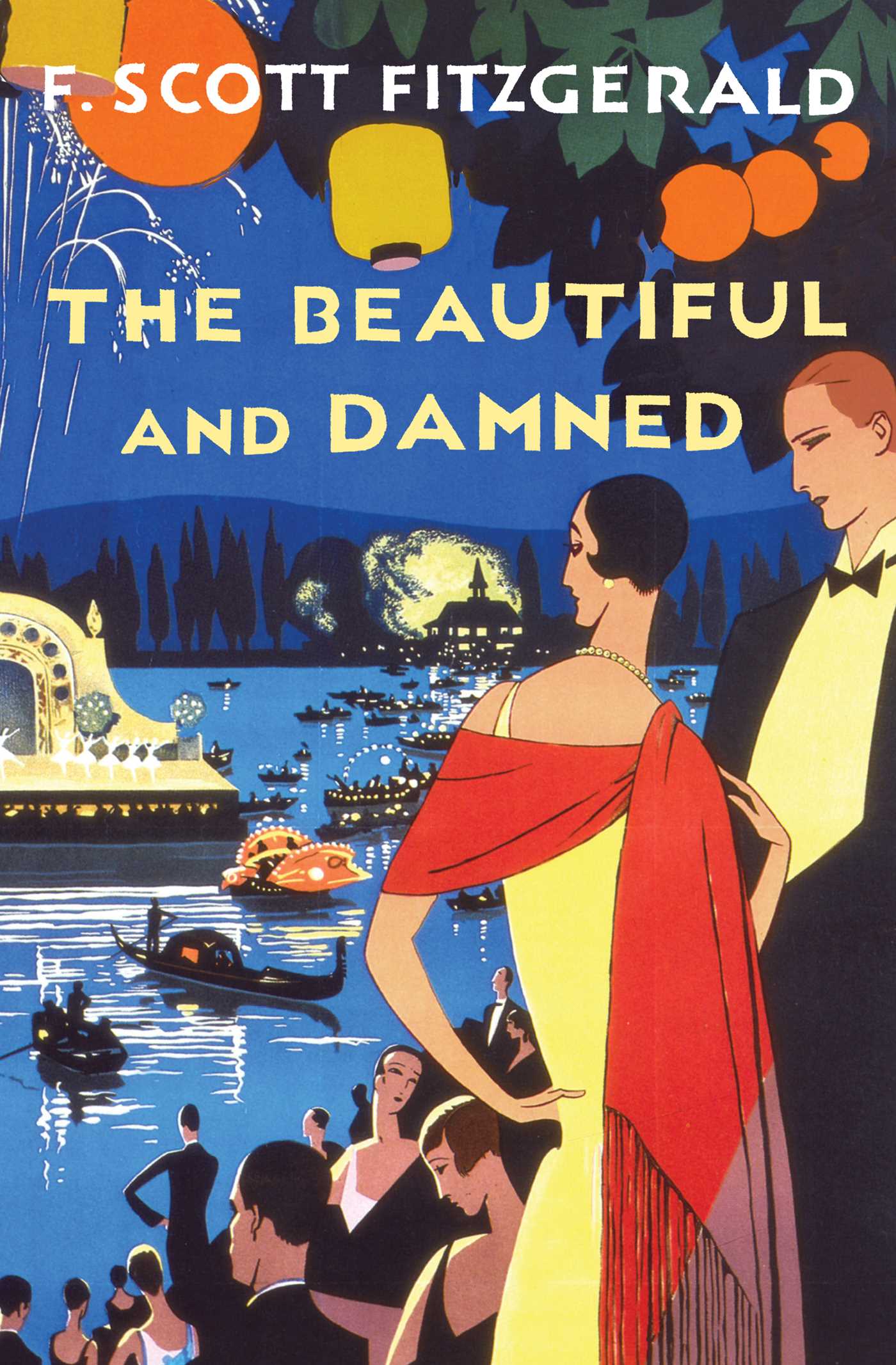
Beautiful, shallow, pleasure-seeking, and vain, would-be Jazz Age aristocrats Anthony and Gloria Patch embody the corrupt high society of 1920s New York. Anthony, who is the presumptive heir to a large fortune and who fancies himself an intellectual, weds the spoiled beauty Gloria, and they begin their married life already living well beyond their means. Their days are marked by endless drinking, dancing, luxury, and play. But when the expected inheritance is withheld, their previously charmed lives become consumed with the pursuit of wealth; and their world begins to fall apart under the weight of alcohol, money, and increasingly desperate schemes to acquire both.
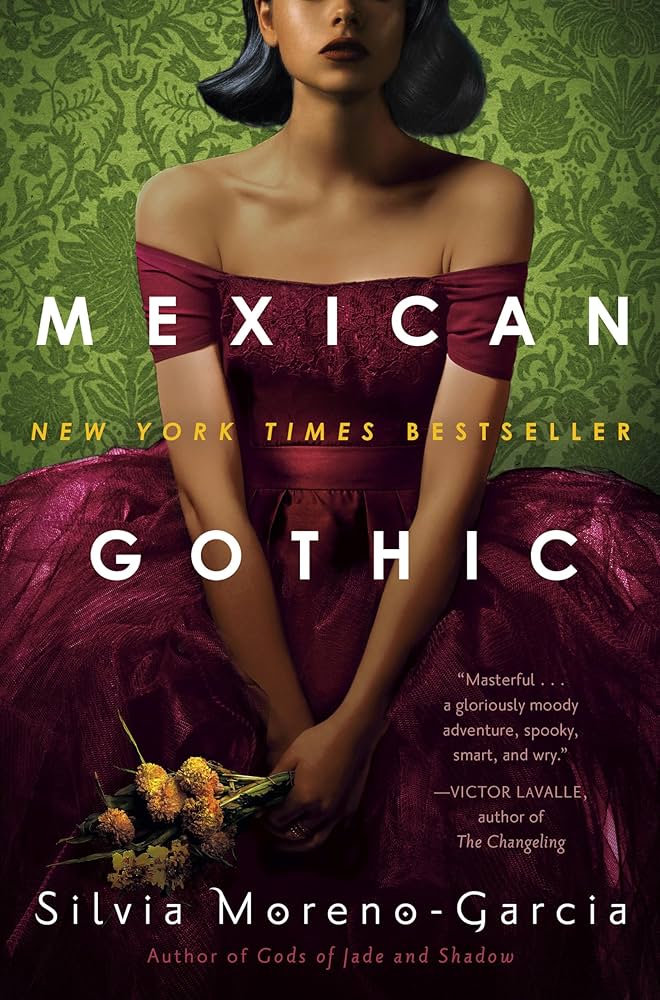
After receiving a frantic letter from her newlywed cousin begging for someone to save her from a mysterious doom, Noemí Taboada heads to High Place, a distant house in the Mexican countryside. Noemí is an unlikely rescuer: a glamorous debutante, her chic gowns and perfect red lipstick are more suited for cocktail parties than amateur sleuthing. But she’s also tough and smart, with an indomitable will, and she is not afraid. Not of her cousin’s new husband, who is both menacing and alluring; not of his father, the ancient patriarch who seems to be fascinated by Noemí; and not even of the house itself, which begins to invade Noemi’s dreams with visions of blood and doom.
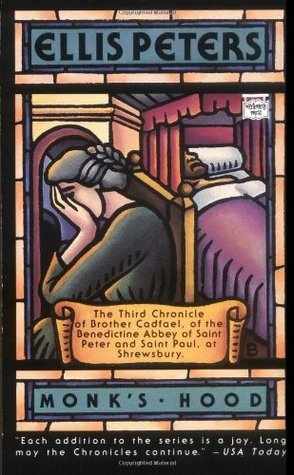
Christmas, 1138. Gervase Bonel is a guest of Shrewsbury Abbey when he suddenly takes ill. Cadfael hurries to the man’s bedside, only to be confronted with two surprises. In Master Bonel's wife, Cadfael recognizes Richildis, whom he loved in his youth — and Bonel has been fatally poisoned by monk’s-hood oil from Cadfael's own stores. The sheriff is convinced that the murderer is Richildis' son from her first marriage, Edwin, who hated his stepfather. But Cadfael is not so certain. Using his knowledge of both herbs and the human heart, he soon deciphers a deadly recipe for murder.

By 2021, world war has killed millions, driving entire species into extinction and sending mankind off-planet. Those who remain on Earth covet any living creature, and for people who can’t afford one, companies build incredibly realistic simulacra: horses, birds, cats, sheep. They’ve even built humans, amoral androids so sophisticated they are indistinguishable from true men or women. Bounty hunter Rick Deckard is one of those commissioned to find rogue androids and “retire” them. Androids fight back with lethal force — but the human capacity for empathy may prove even more dangerous.
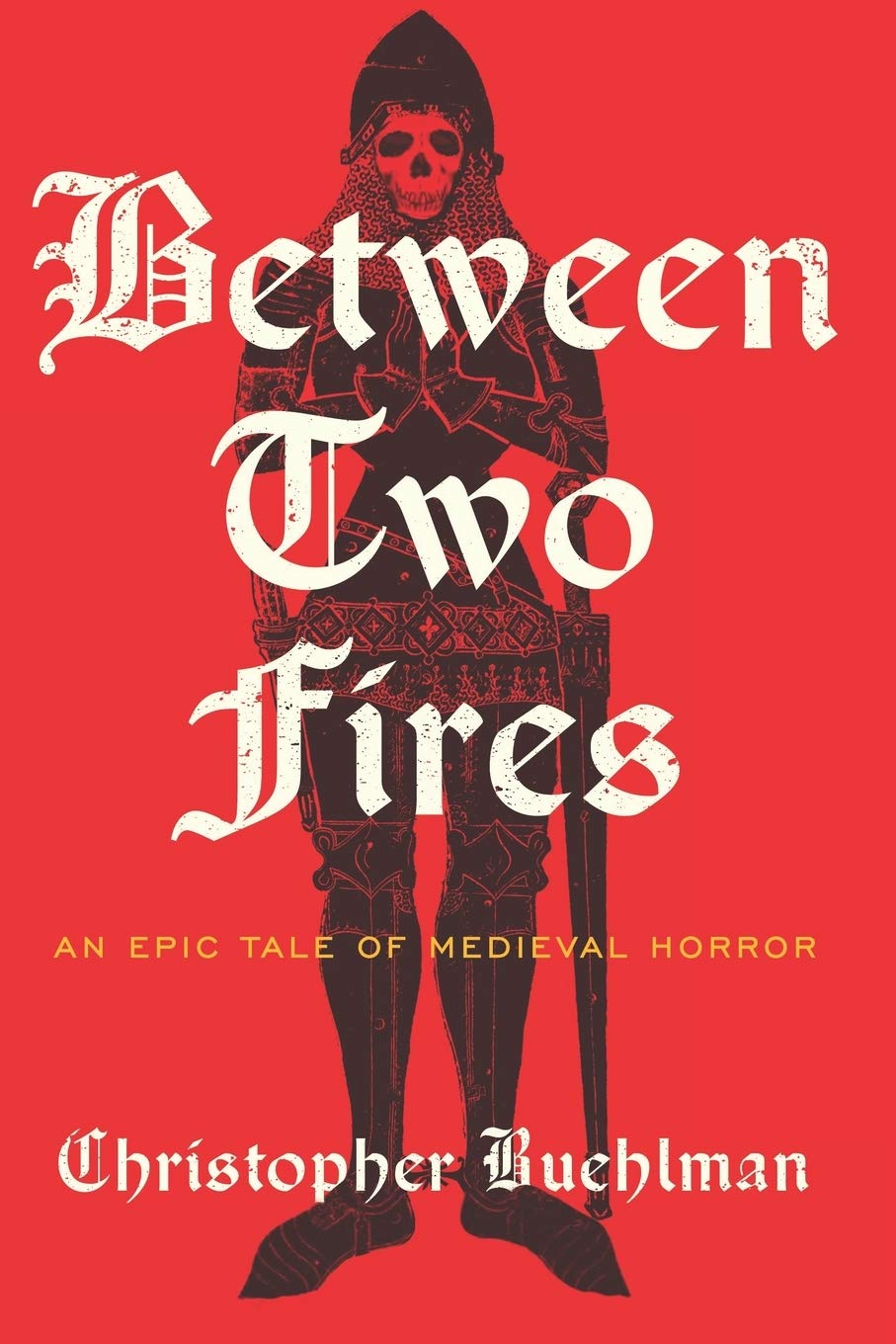
Thomas, a disgraced knight, finds a young girl alone in a dead Norman village. An orphan of the Black Death, and an almost unnerving picture of innocence, Delphine tells Thomas that the plague is only part of a larger cataclysm — that the fallen angels under Lucifer are rising in a second war on heaven, and the world of men is caught between them. She believes she has seen the angels of God and that the righteous dead speak to her in dreams; and she convinces the faithless knight Thomas and the dissolute priest Matthieu to shepherd her across a depraved landscape to Avignon. There, she says, she will fulfill her sacred mission to confront the evil that has devastated the earth.
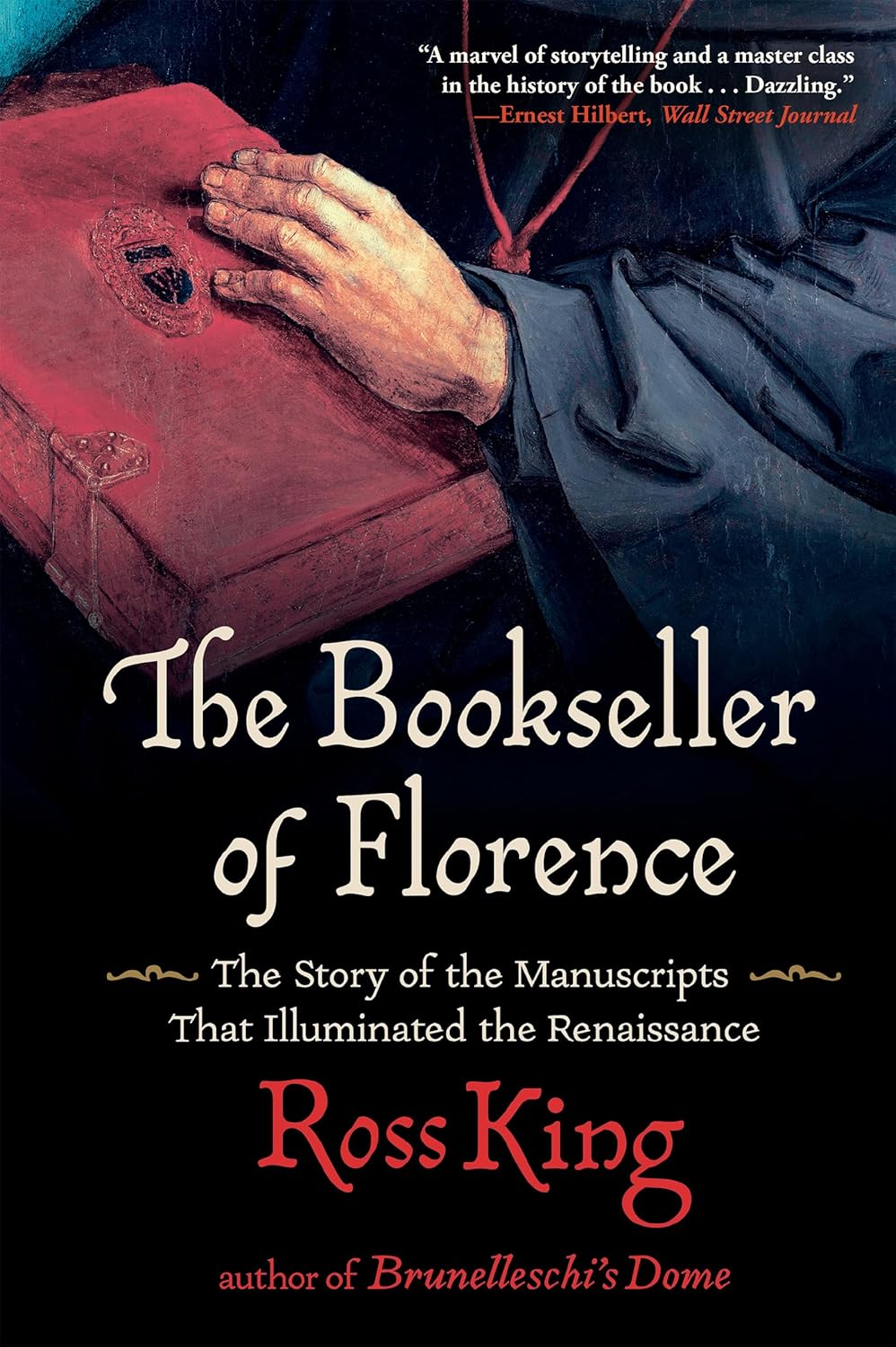
The Renaissance in Florence conjures images of beautiful frescoes and elegant buildings — the dazzling handiwork of the city’s skilled artists and architects. But equally important for the centuries to follow were geniuses of a different sort: the manuscript hunters, scribes, scholars, and booksellers, who blew the dust off a thousand years of history and, through the discovery and diffusion of ancient knowledge, imagined a new and enlightened world. At the heart of this activity was a remarkable man: Vespasiano da Bisticci, the premier bookseller of Florence.
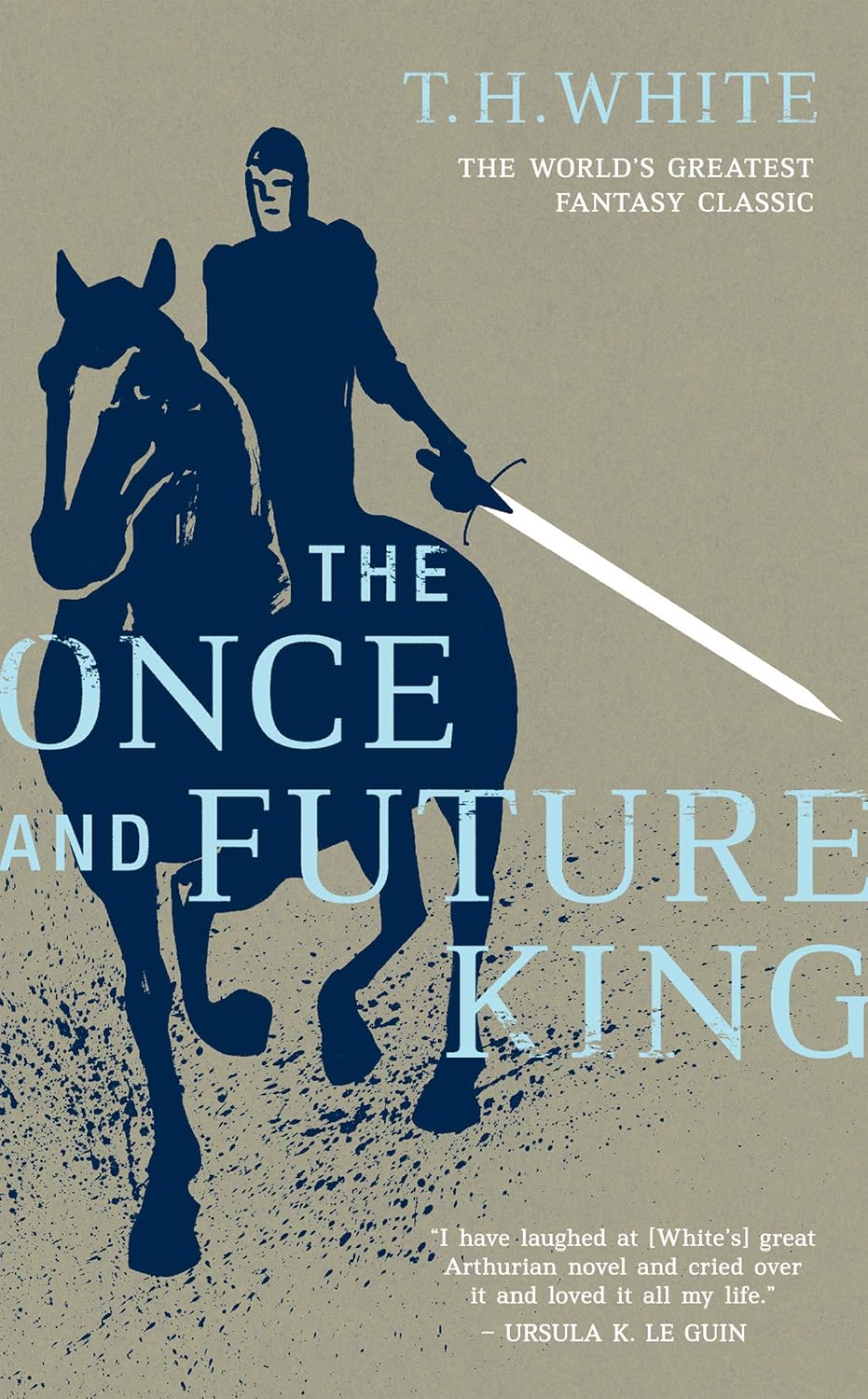
Once upon a time, a young boy called “Wart” was tutored by a magician named Merlyn in preparation for a future he couldn’t possibly imagine — a future in which he would ally himself with great knights, love a legendary queen, and unite a country under chivalrous values, a future that would see him crowned and known for all time as King Arthur. T.H. White′s masterful retelling of the Arthurian legend is an abiding classic in which exquisite comedy offsets the tragedy of Arthur′s personal doom, as White brings the epic story to life with brilliance, grandeur, warmth, and charm.
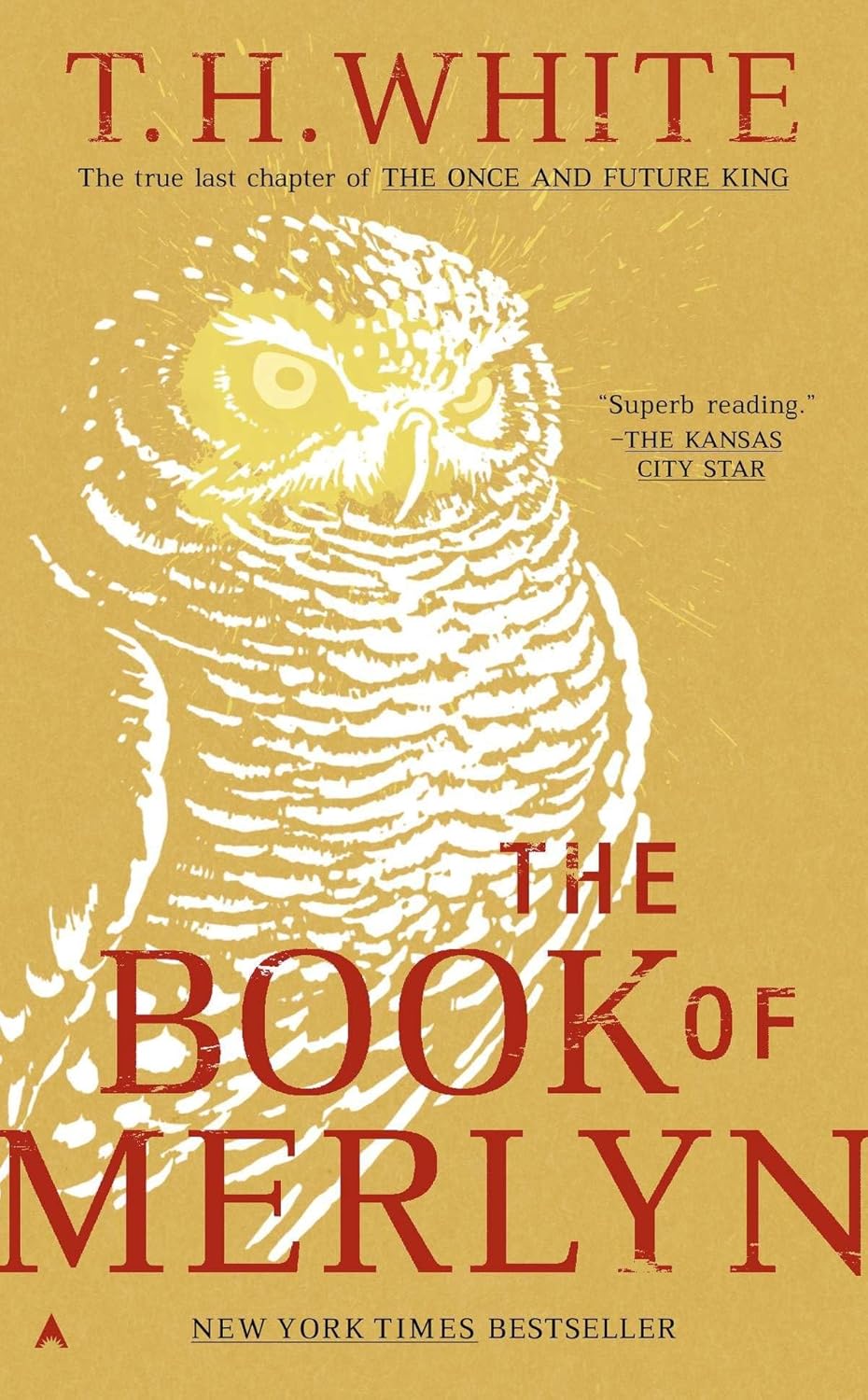
A magical account of King Arthur's last night on earth. Even in addressing the profound issues of war and peace, The Book of Merlyn retains the life and sparkle for which White is known. The tale brings Arthur full circle, an ending, White wrote, that “will turn my completed epic into a perfect fruit, ‘rounded off and bright and done.’”
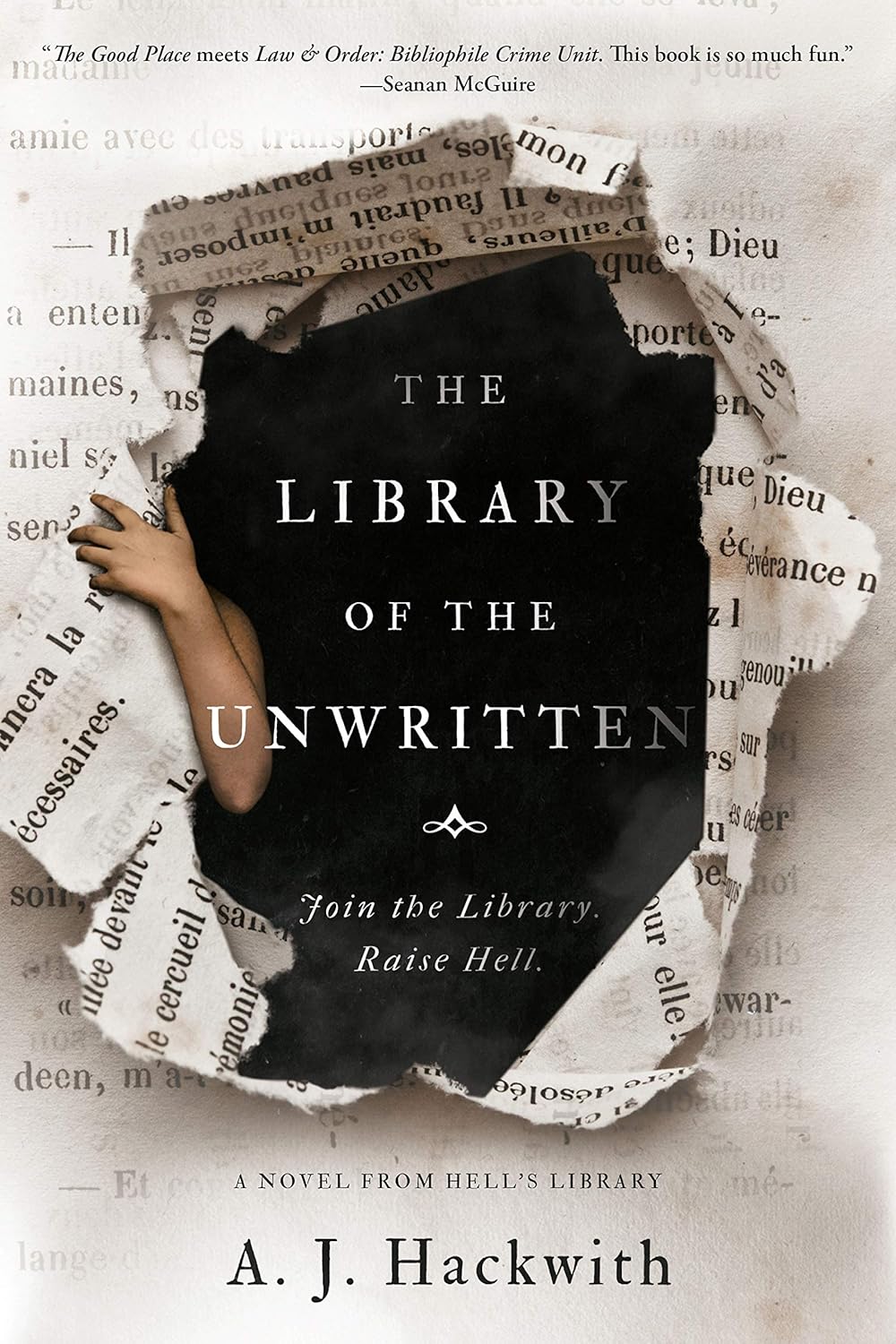
Claire Hadley is the current librarian of the Unwritten Wing — a neutral space, housed in Hell, where stories that are never finished reside. When a Hero escapes from his book and goes in search of his author, Claire must track and capture him with the help of the disgraced muse Brevity and the nervous demon courier Leto. But what should have been a simple retrieval goes horrifyingly wrong when the angel Ramiel attacks them, convinced that they are on the trail of the Devil's Bible, a dangerous weapon in the power struggle between Heaven and Hell. Now the infernal librarian and her companions have only one chance to stop war from breaking out between Heaven and Hell.
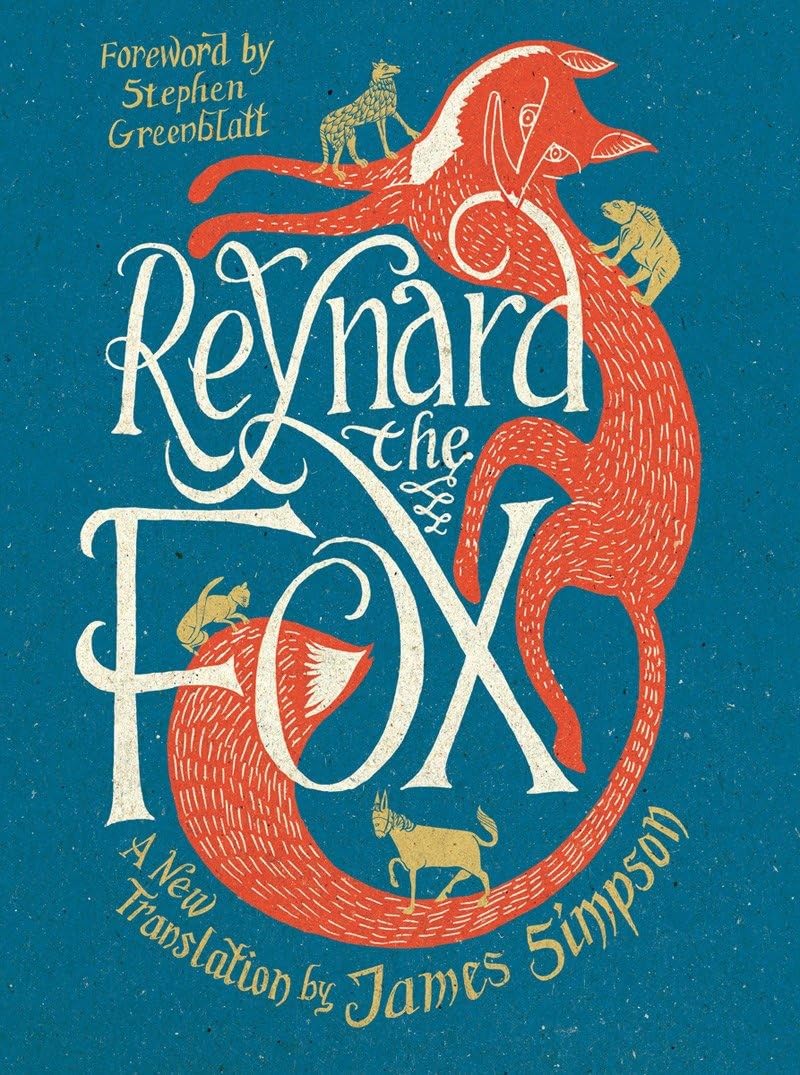
Originally bursting forth from Europe in the twelfth century, Reynard the Fox lies, cheats, eats, or worse to anyone he crosses paths with, conning the likes of Tybert the Cat, Bruin the Bear, and Bellin the Ram, among others. Reynard's rapacious nature and constant "stealing and roving" earn him the ire of the less-than-perceptive King Noble the Lion and the ferocious Isengrim the Wolf, pitting cunning trickery against brute force. Reynard the Fox punctures the hypocritical authority figures of the “civilized” order, as the fox outwits all comers by manipulating their credulity, their affectation, and their bottomless greed.
St. Peter's Fair is a grand, festive event, attracting merchants from across England and beyond. It promises to bring some much-needed gaiety to the town of Shrewsbury — until the body of a wealthy merchant is found murdered in the river Severn. Was Thomas of Bristol the victim of thieves? And, if so, why were his valuables abandoned nearby? Brother Cadfael offers to help the merchant's niece Emma, but while he is searching for the killer, two more men are murdered; and Emma almost certainly knows more than she is telling about why. But in a country at war with itself, betrayal can come from any direction, and good intentions can prove deadly.
Setting out for the Saint Giles leper colony outside Shrewsbury, Brother Cadfael has more pressing matters on his mind than the grand wedding soon to be held at the abbey. But as fate would have it, Cadfael arrives at Saint Giles just as the nuptial party passes the colony's gates. When he sees that the fragile young bride is treated like a prisoner, and that the bridegroom is a cruel aristocrat old enough to be her grandfather, he realizes this union may be more damned than blessed. And when murder interrupts the proceedings, Cadfael must find the truth of a sickness that rots not the body, but the soul.
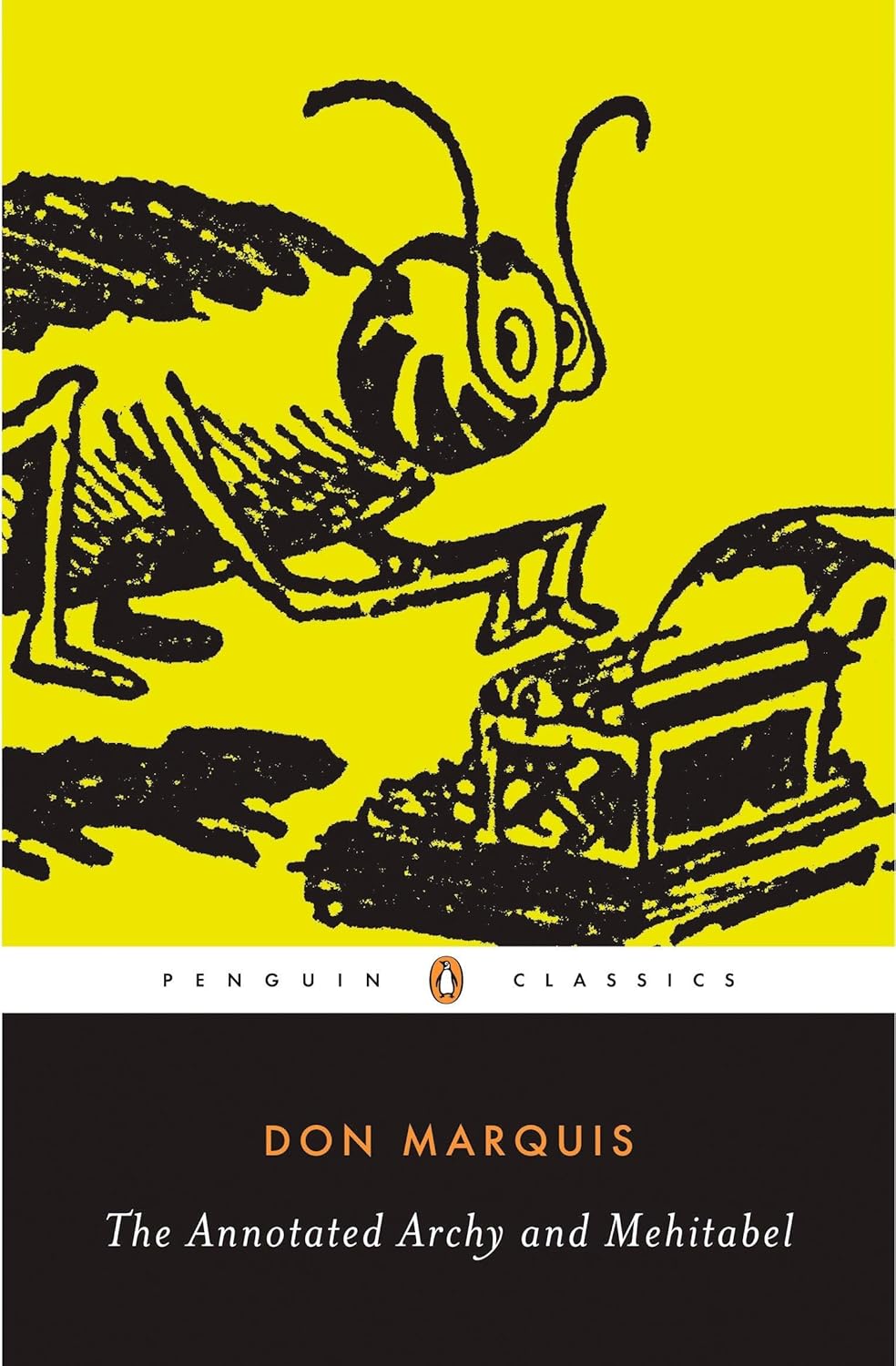
These free-verse poems, which first appeared in Marquis's New York newspaper columns, revolve around the escapades of Archy, a philosophical cockroach who was once a poet, and Mehitabel, a streetwise alley cat who was once Cleopatra. Reincarnated as the lowest creatures on the social scale, they prowl the rowdy streets of New York City in between the world wars. The antics of these two immortal characters are now made available for the first time in their original order of publication in this unique, comprehensive collection, which features many poems never before reprinted.
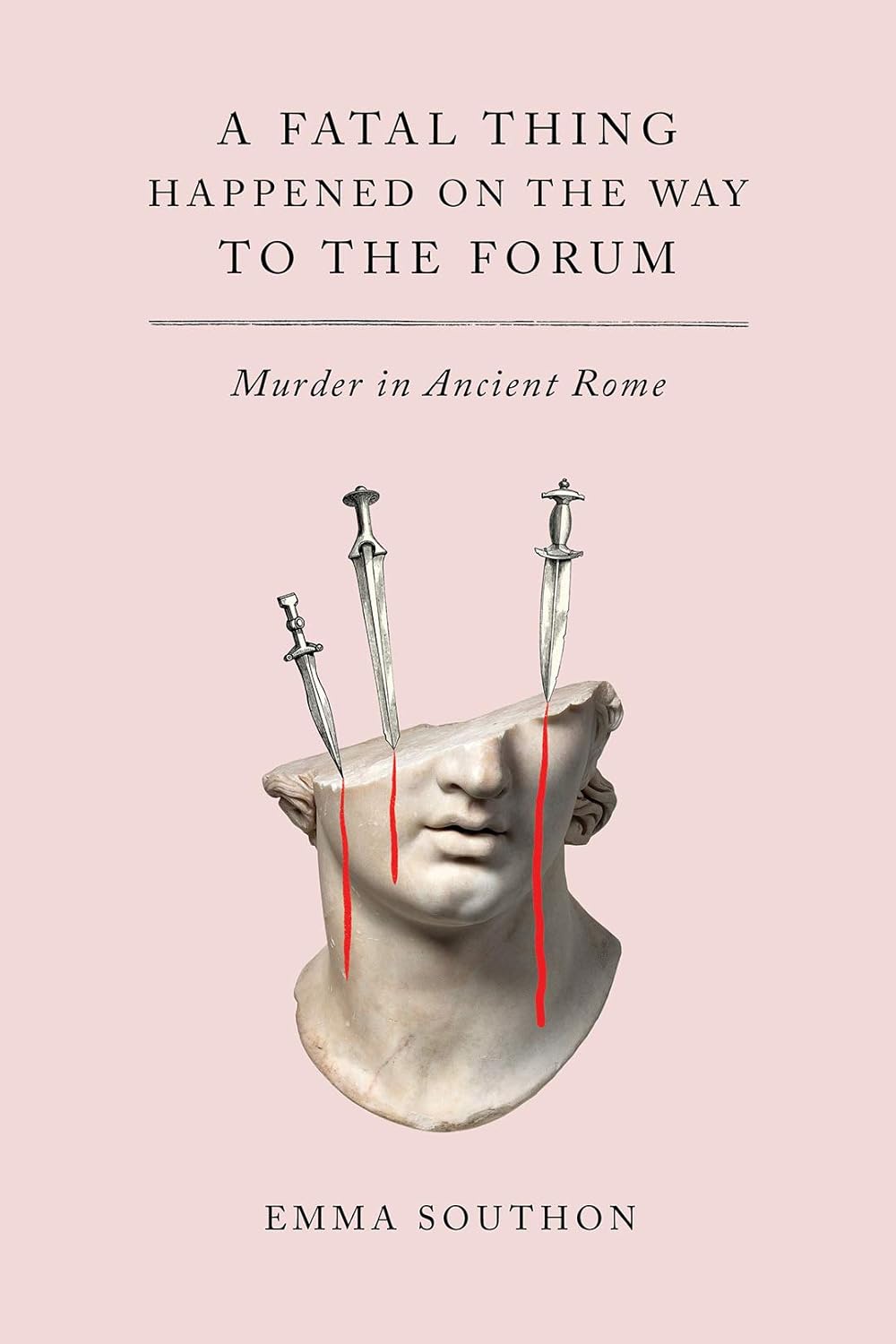
In ancient Rome, all the best stories have one thing in common — murder. But what did killing mean in a city where gladiators fought to the death to sate a crowd? Emma Southon examines a trove of real-life homicides from Roman history to explore Roman culture, including how perpetrator, victim, and the act itself were regarded by ordinary people. Inside ancient Rome's darkly fascinating history, we see how the Romans viewed life, death, and what it means to be human.
One of the founding stories of English literature, this is the strange tale of a green knight on a green horse who interrupts Camelot’s festivities one Christmas, challenging one of their number to a wager: to strike him with his own axe, and then to accept the same blow from him in return. Sir Gawain accepts and decapitates the intruder, only for the knight to pick up his own head, order Gawain to seek him out a year hence, and depart. Gawain's quest takes him on a winter journey, through seduction in a dreamlike castle, to a dire challenge answered.

In the winter of 1139, civil war has sent refugees fleeing north from Worcester toward Shrewsbury. Among them should be two headstrong orphans from a noble family and their chaperone, a young nun, but they seem to have disappeared into the wild countryside. But another call for help takes Brother Cadfael to Saint Mary's: a wounded monk, left for dead by the roadside. Why this holy man has been attacked and what his fevered ravings reveal soon give Cadfael a clue to the fate of the missing travelers. The road will lead him to a chill and terrible murder and a tale of passion gone awry; and at journey’s end awaits a vision of what is best, and worst, in humankind.
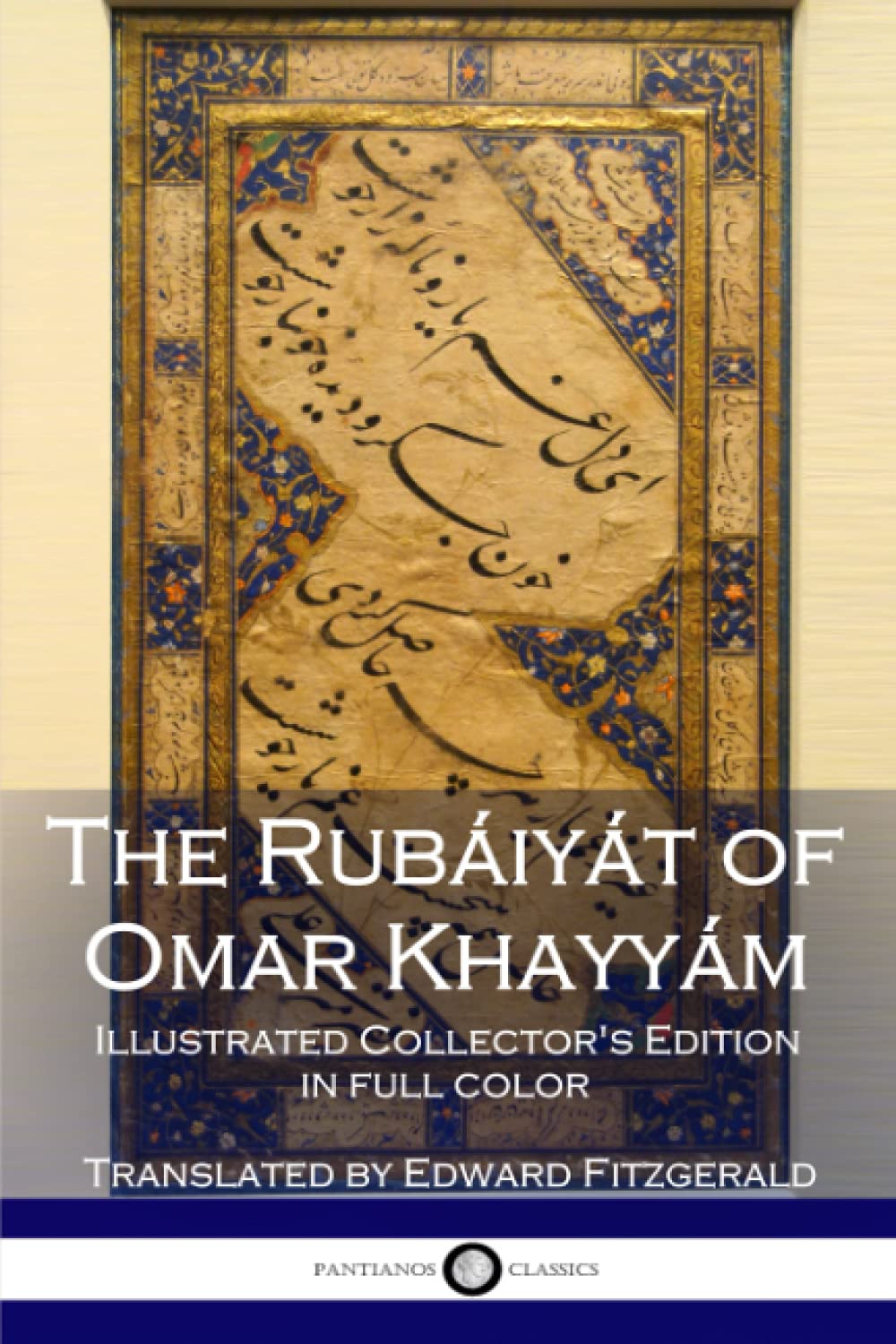
In 1859, Edward FitzGerald translated into English the short, epigrammatic poems (or rubáiyát) of medieval Persian poet Omar Khayyám. If not a true translation — his Omar seems to have read Shakespeare and the King James Bible — the poem nevertheless conveyed some of the most beautiful and haunting images in English poetry, and some of the sharpest-edged. By the end of the century, it was one of the best-known poems in the English language, a lyrical meditation on “human death and fate.”

Reynard, a subversive, anarchic, witty fox from the watery lowlands of medieval East Flanders, is in trouble. He has been summoned to the court of King Noble the Lion, charged with all manner of crimes and misdemeanors. How will he pit his wits against his accusers — greedy Bruin the Bear, pretentious Courtoys the Hound, and dark and dangerous Isengrim the Wolf — to escape the gallows? Based on William Caxton’s 1481 English translation of the Middle Dutch, this edition is an imaginative retelling of the Reynard story, expanded with new interpretations and innovative language and characterizations.
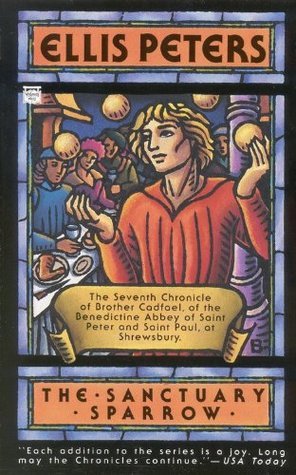
In the spring of 1140, midnight matins at the abbey suddenly reverberate with an unholy sound — a drunken mob pursuing a wounded and desperate young man, who claims sanctuary in the church. Liliwin, a wandering minstrel who performed at the wedding of a local goldsmith’s son, has been accused of robbery and murder; but his supposed victim, the bridegroom's miserly father, still lives, although the man's strongbox lies empty. Brother Cadfael believes Liliwin is innocent, but finding the truth may uncover a far deadlier sin than thievery — a desperate love that nothing, not even the threat of hanging, can stop.

The year is 1348 and plague is spreading across England. In a world ruled by faith and fear, nine desperate strangers, brought together by chance, attempt to flee the certain death that is rolling inexorably toward them. Each traveler has a hidden gift, a dark secret, and a story to tell... From Camelot the relic-seller to Cygnus the one-armed storyteller — from the strange, silent child Narigorm to a painter and his pregnant wife, each guards secrets closely. None are as they seem. And one among them conceals the darkest secret of all, propelling these liars to a destiny more perilous than any of them could imagine.
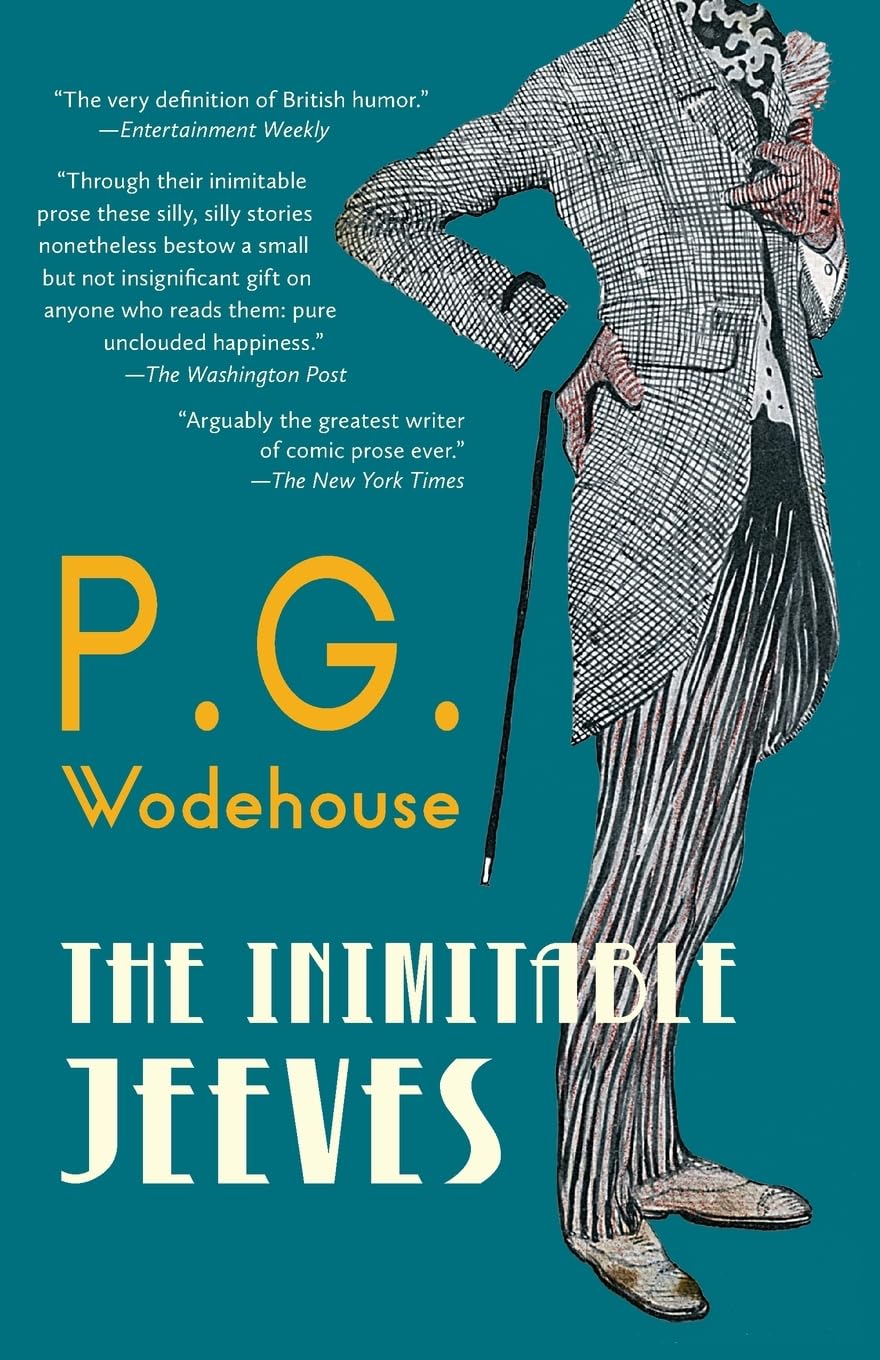
Follow the adventures of Bertie Wooster and his gentleman’s gentleman, Jeeves, in one of the greatest comic short story collections in the English language. The charmingly foppish and light-headed Bertie finds himself faced with tedious social obligations, overbearing aunts and uncles, scrapes with the law, his friend Bingo's convoluted romantic problems, and rowdy cousins taking up residence in his home. To the rescue each time come the inventive interventions of the supremely efficient Jeeves.
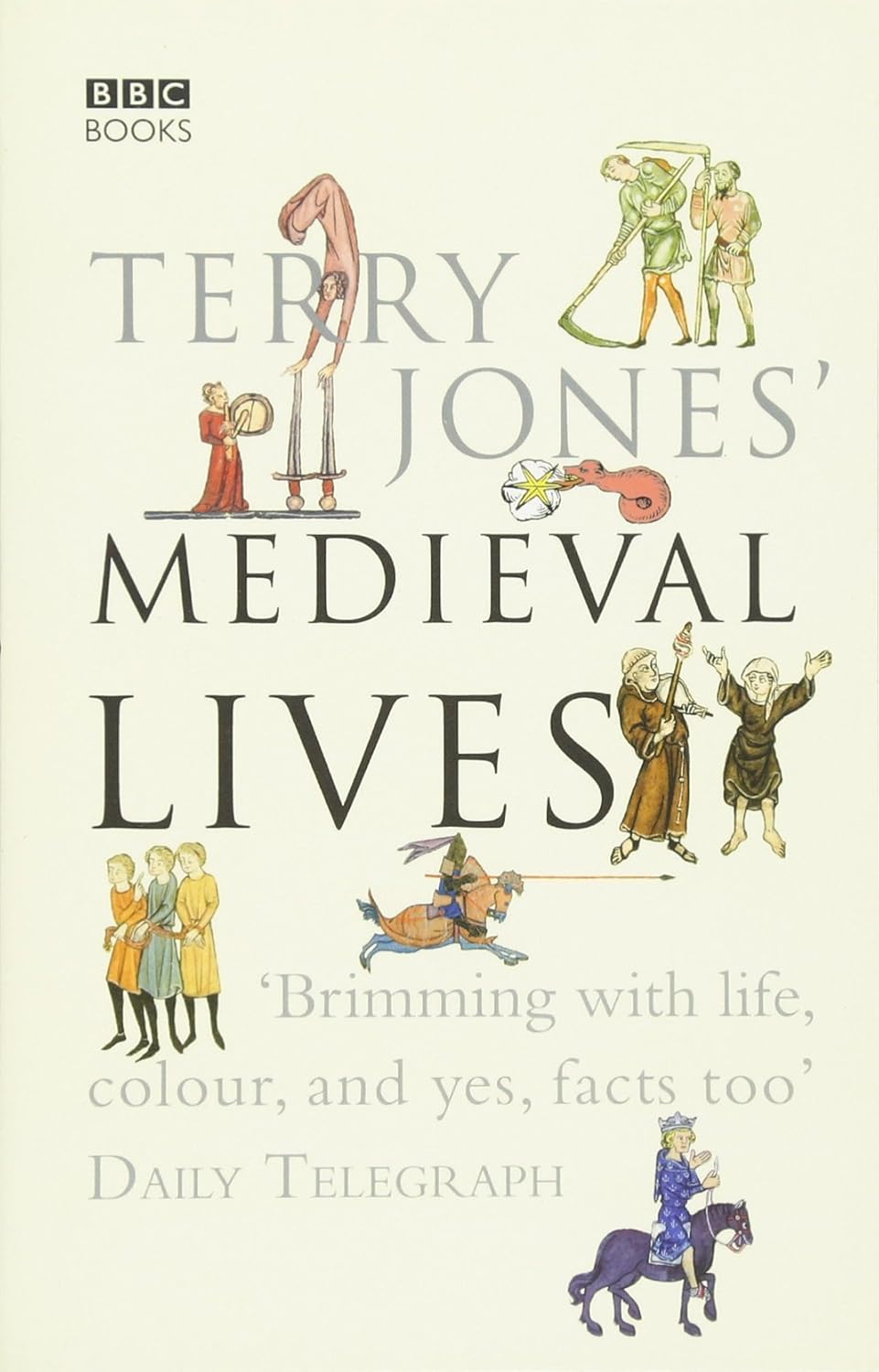
Famous for lampooning the medieval world in Monty Python and the Holy Grail, Terry Jones has a real passion for and detailed knowledge of the Middle Ages. In Terry Jones' Medieval Lives, his mission is to rescue the Middle Ages from moth-eaten cliches and well-worn platitudes. Behind the stereotypes of "damsels in distress" and "knights in shining armor," there are wonderfully human stories that bring the period to life. Each chapter starts with an archetype — the Peasant, Minstrel, Outlaw, Monk, Philosopher, Knight, Damsel, and King — and unravels their role and function to reveal a host of colorful real-life characters.

In September of 1140, a priestly emissary for King Stephen has been reported missing outside the pale of the Abbey of Saint Peter and Saint Paul. But within, what troubles Brother Cadfael is a proud, secretive novice. Cadfael has never seen two men more estranged than the Lord of Aspley and Meriet, the son he coldly delivers to the abbey to begin a religious vocation. Meriet, meek by day, is so racked by nightmares that his howls earn him the nickname “the Devil's Novice”. Shunned and feared, he is soon linked to the missing emissary's dreadful fate. Only Brother Cadfael believes in Meriet's innocence, and only he can uncover the truth that will save the novice from the noose.
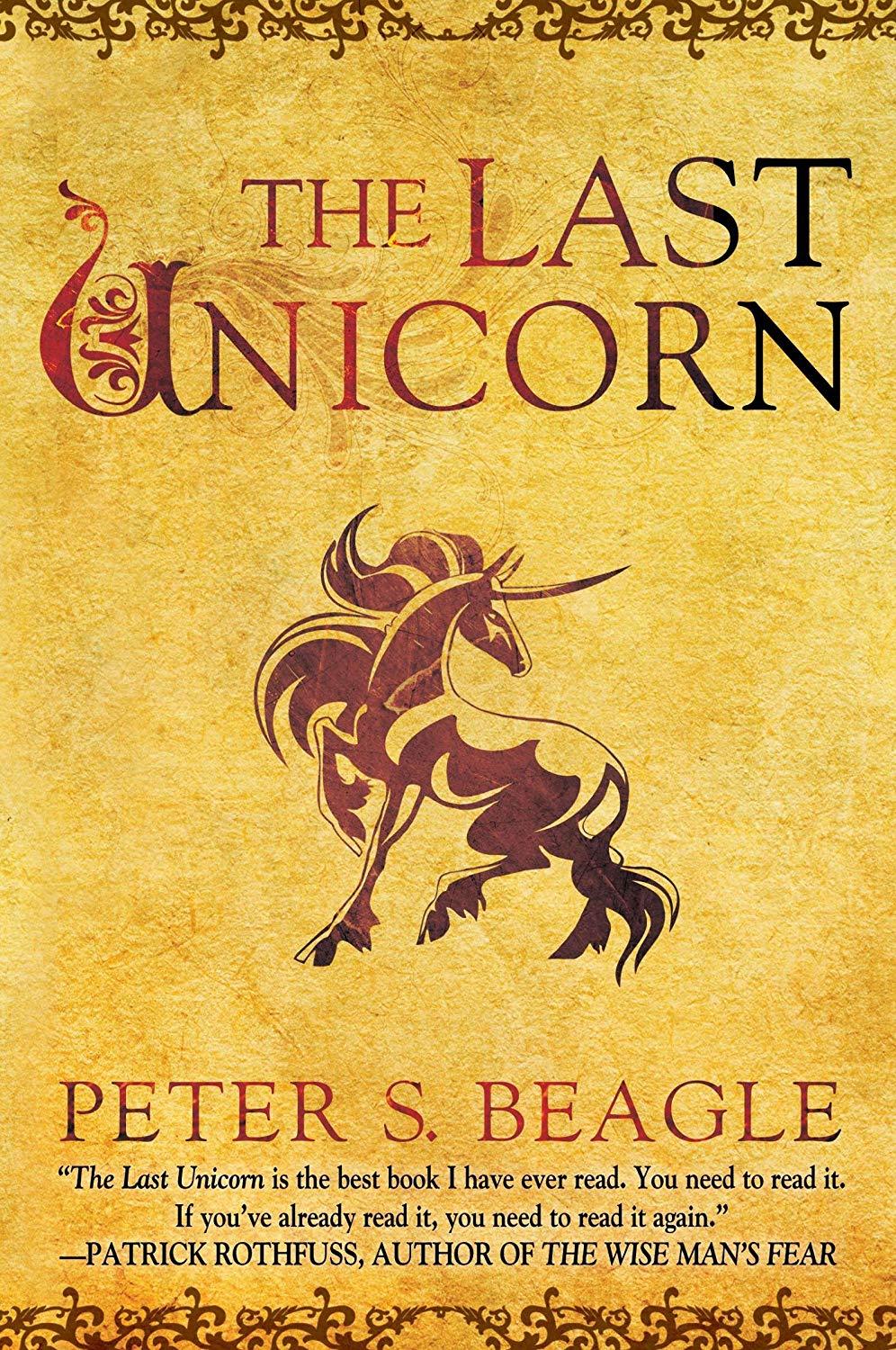
The unicorn lived in a lilac wood, and she lived all alone... But when she discovers that she is the last unicorn in the world, she sets off to find the others. She meets Schmendrick the Magician, whose magic seldom works and never as intended; and the tough, indomitable Molly Grue, who still believes in magic despite herself. The road is dangerous, and the risks are great. If she fails, then unicorns will be lost... forever. In The Last Unicorn, Peter S. Beagle spins a poignant tale of love, loss, and wonder that has resonated with millions of readers around the world.
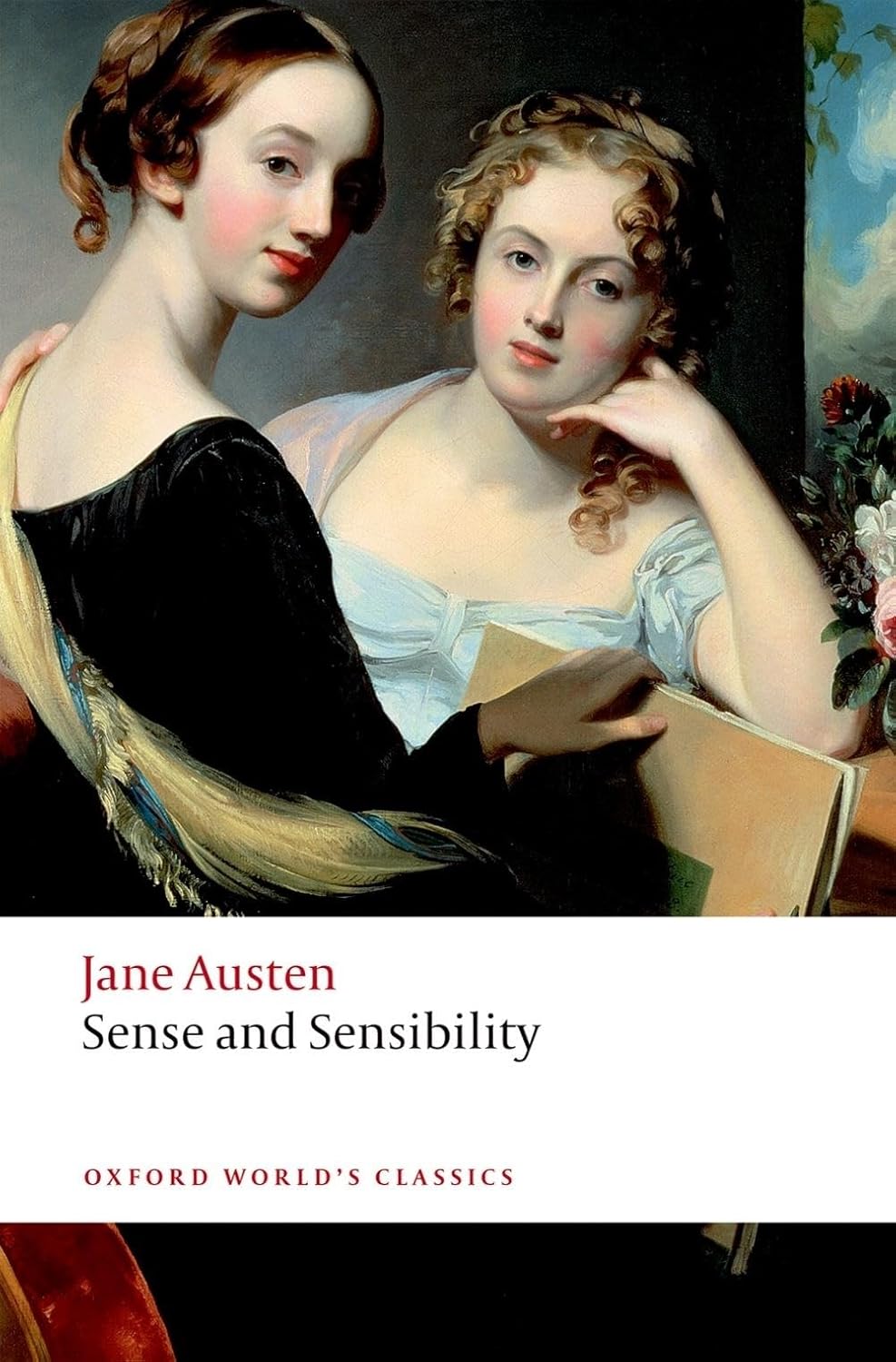
After the death of their father, Elinor and Marianne Dashwood find themselves uprooted from their childhood home and thrust into a world where social standing and financial security determine nearly everything. Elinor embodies “sense,” remaining steady and composed even as she quietly suffers her own romantic struggles, while Marianne represents “sensibility,” following her passions with openness and intensity. As both sisters face misunderstandings, disappointments, and unexpected turns of fortune, Austen reveals the strength and resilience required to seek happiness in a restrictive world.
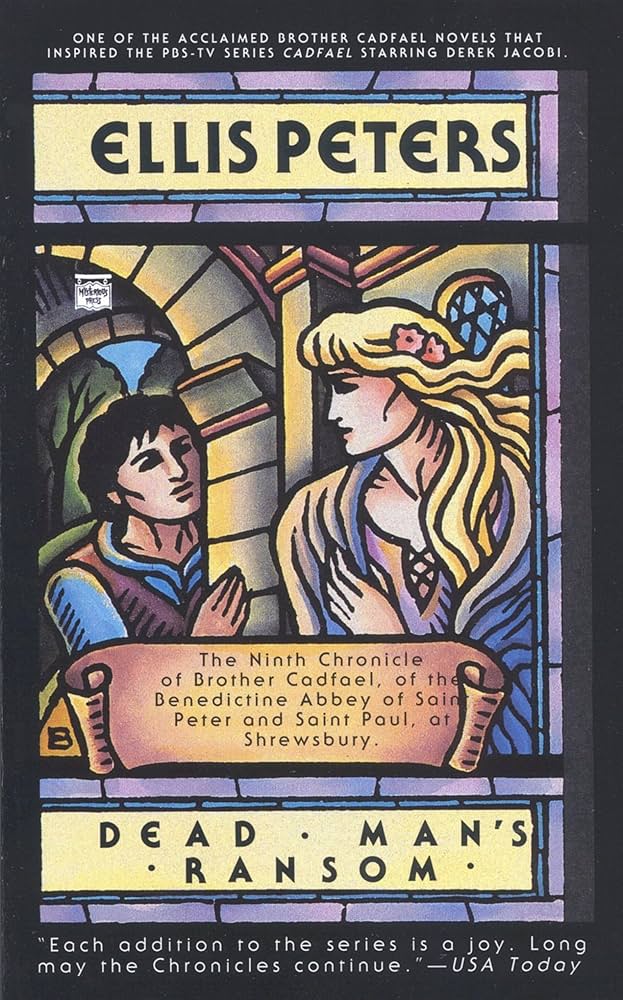
The year is 1141 and civil war continues to rage. When the sheriff of Shropshire is taken prisoner, arrangements are made to exchange him for Elis, a young Welsh prisoner. But when the ailing sheriff is brought to the abbey, he is murdered. Suspicion falls on Elis, who has fallen in love with the sheriff's daughter Melicent, and she with him; for if Melicent's father were to be returned, Elis would be sent back to Wales, where arranged marriage to another awaits him. With nothing but his Welsh honor to protect him, Elis appeals to Brother Cadfael for help, and Cadfael gives it — not knowing that the truth will be a trial for his own soul.
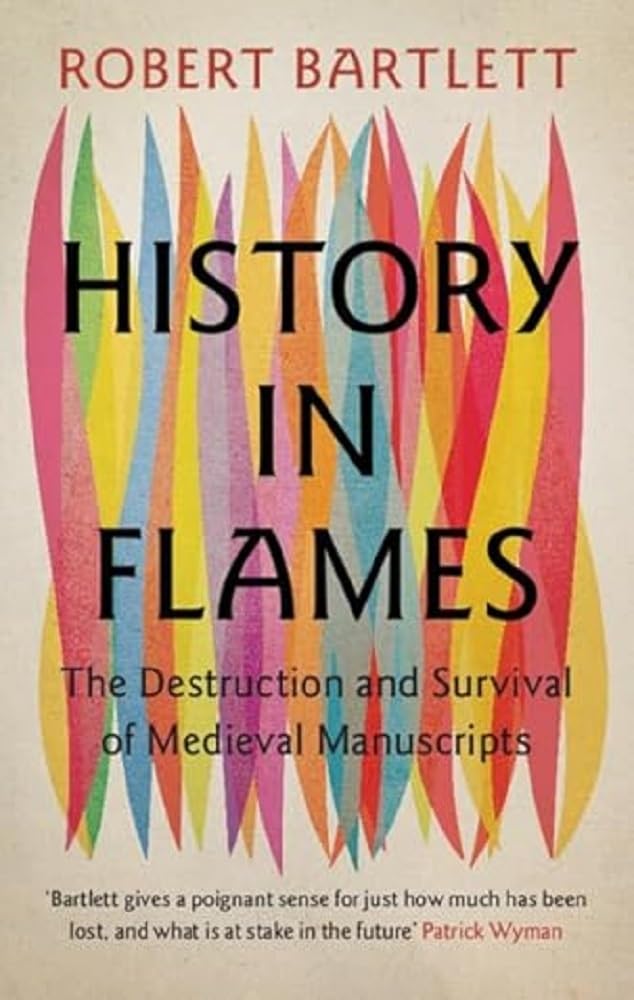
What happens to our knowlege of the past when its sources are destroyed? Focusing on the manuscripts of the Middle Ages, Bartlett explores cases in which large volumes of written material were destroyed — not by accident of fire or flood but by deliberate human forces such as arson and bombing. This book examines the political and military events that preceded the moment of destruction, from the Franco-Prussian War to World War II; and it discusses the heroic efforts made by scholars and archivists to preserve these manuscripts and their history.
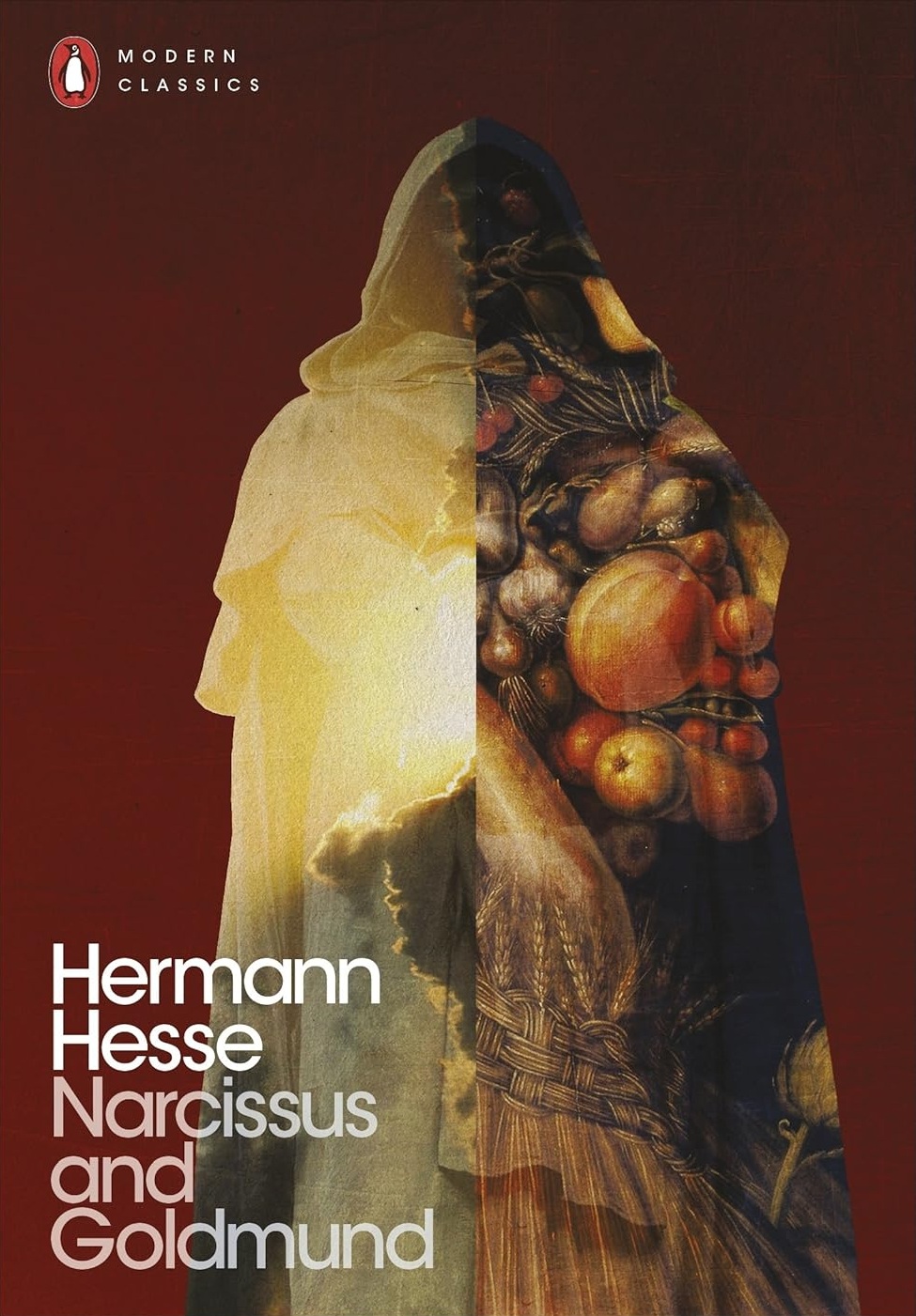
Narcissus and Goldmund tells the story of two medieval men whose characters are diametrically opposite: Narcissus, an ascetic monk firm in his religious commitment, and Goldmund, a romantic youth hungry for knowledge and worldly experience. First published in 1930, Hesse's novel remains a moving and pointed exploration of the timeless conflict between the life of the spirit and the life of the flesh.
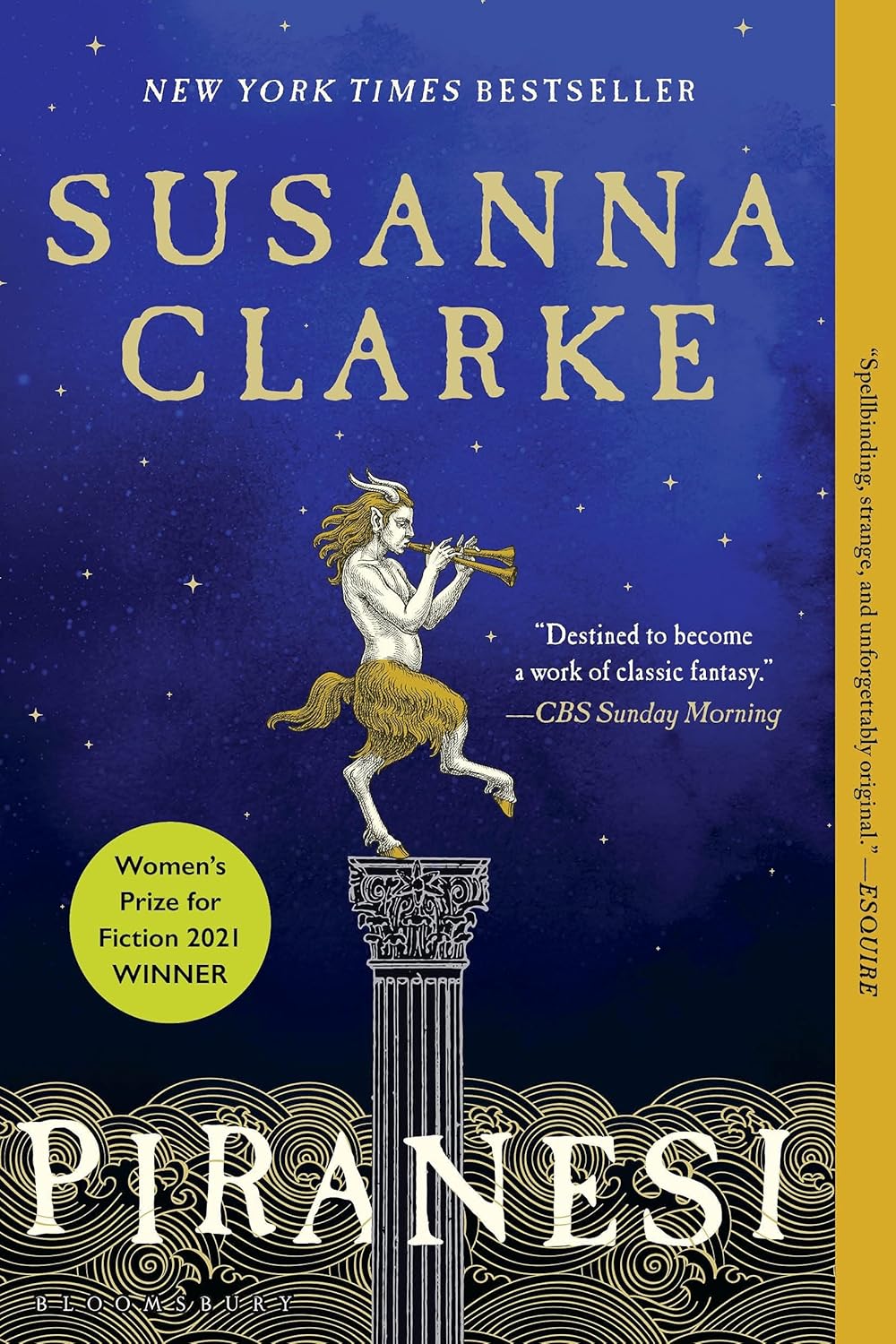
The house's rooms are infinite, its corridors endless, its walls lined with thousands upon thousands of statues. Within the labyrinth of halls an ocean is imprisoned; waves thunder up staircases, while rooms are flooded in an instant. But Piranesi is not afraid; he understands the tides as he understands the pattern of the labyrinth itself. He lives to explore the house. There is one other person in the house — a man called The Other, who visits Piranesi twice a week and asks for help with research into A Great and Secret Knowledge. But as Piranesi explores, evidence emerges of another person, and a terrible truth begins to unravel, revealing a world beyond the one Piranesi has always known.
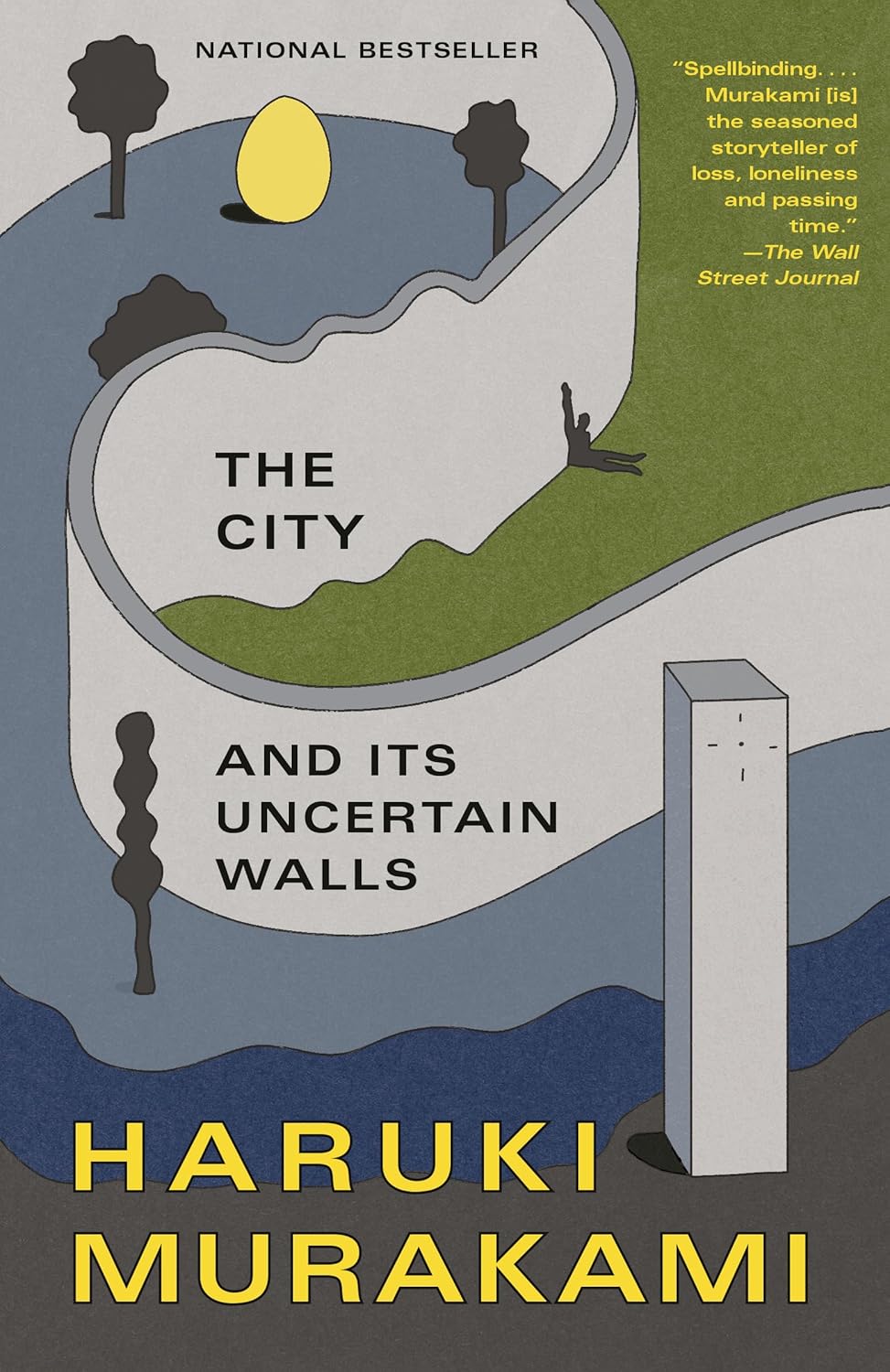
Philip Gabriel (translator)
When a young man’s girlfriend mysteriously vanishes, he is heartbroken — and determined to find the imaginary town where he suspects she has taken up residence. Thus begins a lifelong search that takes the man into middle age, to a job in a remote library with mysteries of its own, and on a journey between the real world and this otherworld: a shadowless city where unicorns roam and willow trees grow. There he finds his beloved working in a different library – a dream library. But she has no memory of their life together and, as the seasons pass and the man grows more uncertain about the porous boundaries between these two worlds, he must decide what he is willing to lose.
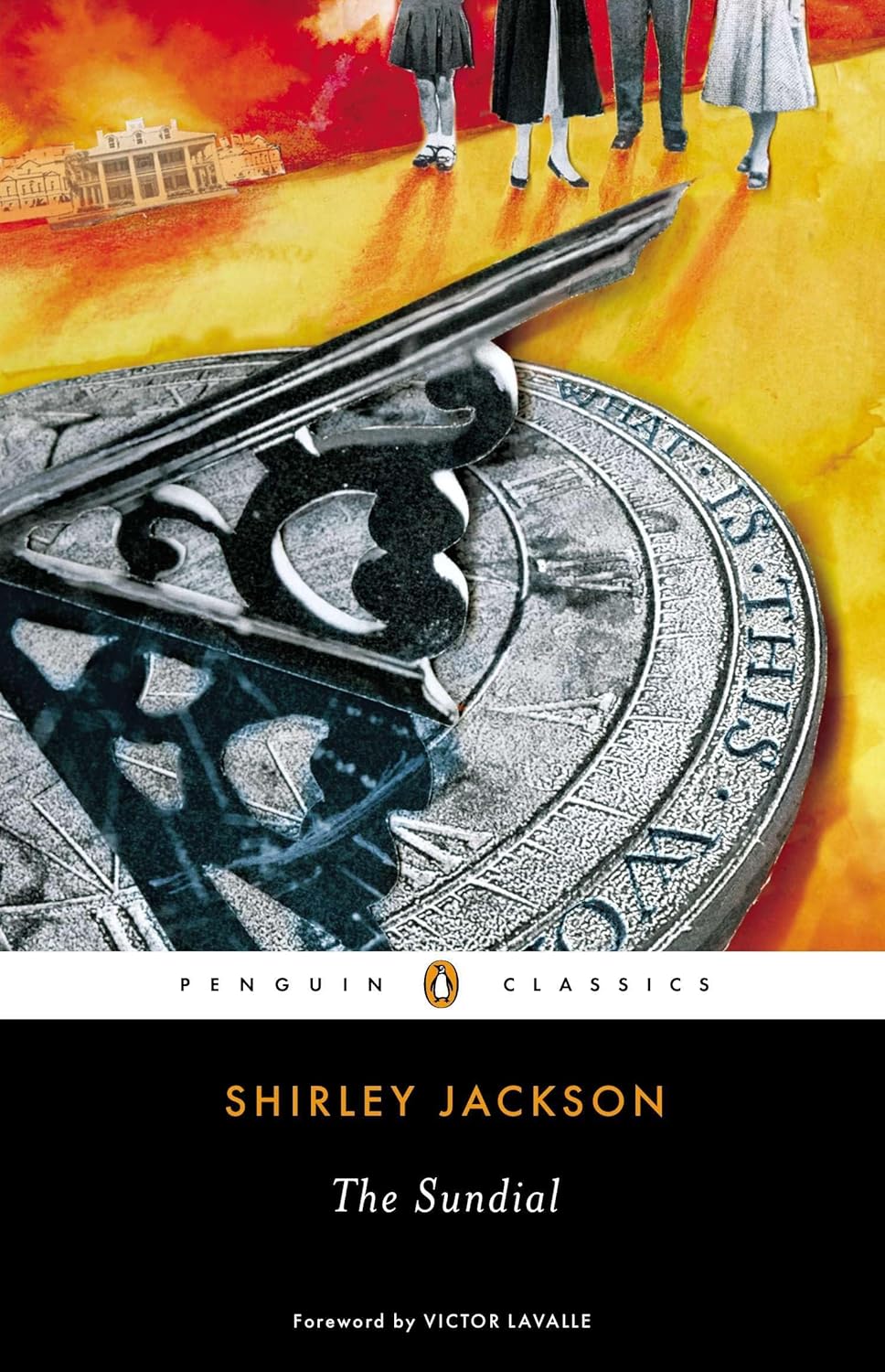
When the Halloran clan gathers at the family home for a funeral, no one is surprised when the somewhat peculiar Aunt Fanny wanders off into the secret garden. But then she returns to report an astonishing vision of an apocalypse from which only the Hallorans and their hangers-on will be spared, and the family finds itself engulfed in growing madness, fear, and violence as they prepare for a terrible new world.
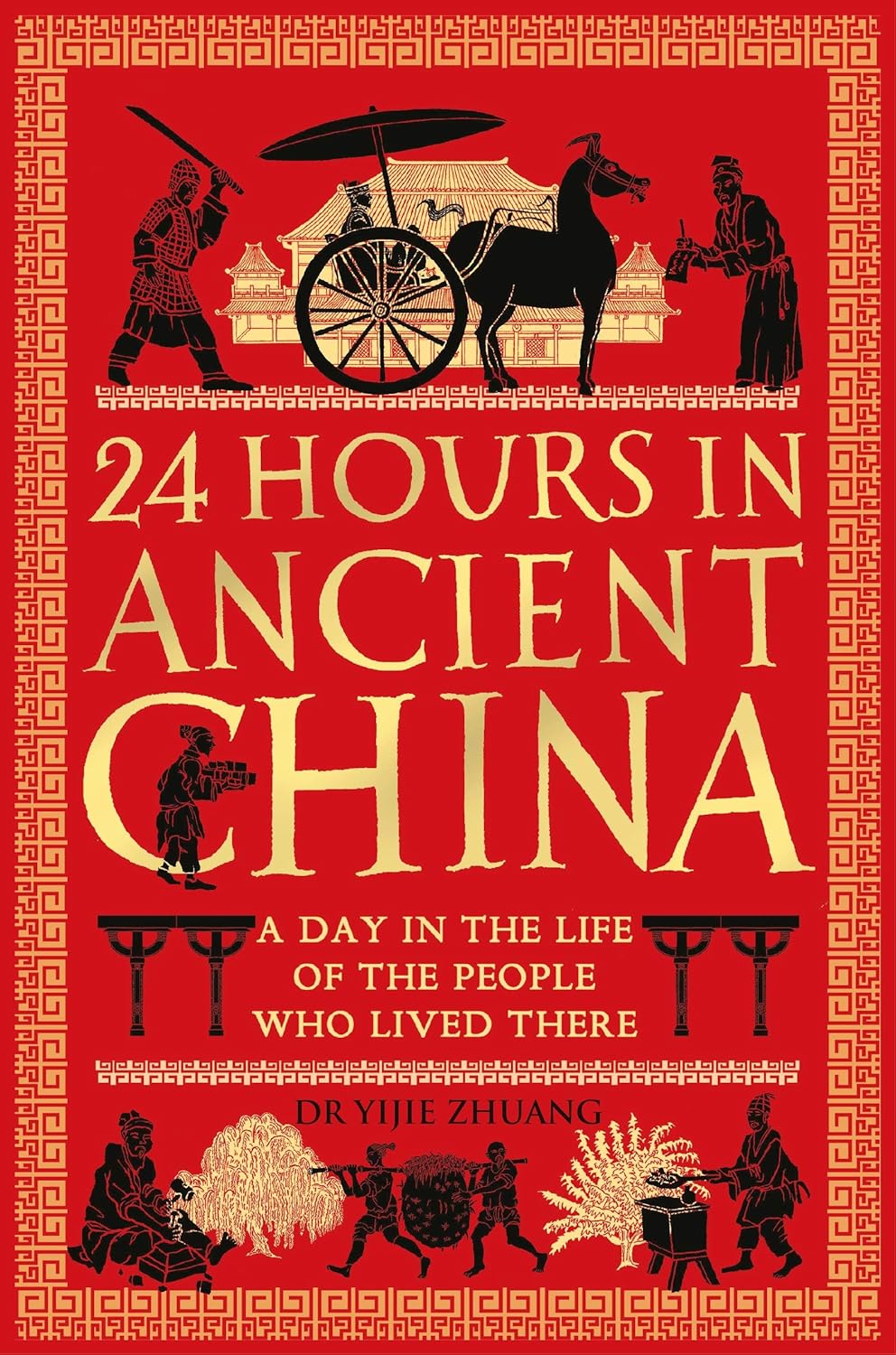
Travel back to AD 17, during the fourth year of the reign of Wang Mang of the Han dynasty, a vibrant and innovative era full of conflicts and contradictions. The inhabitants of ancient China faced the same problems as people have for time immemorial: earning enough money, coping with workplace dramas, and keeping your home in order... although the equivalent in this era was more about bribing inspectors, avoiding bullying from abusive watchmen, and trying to keep your house from being looted by Huns. Each chapter spends an hour with one of 24 citizens of this ancient culture, from the midwife to the soldier, from the priest to the performer, and from the blacksmith to the tomb raider.
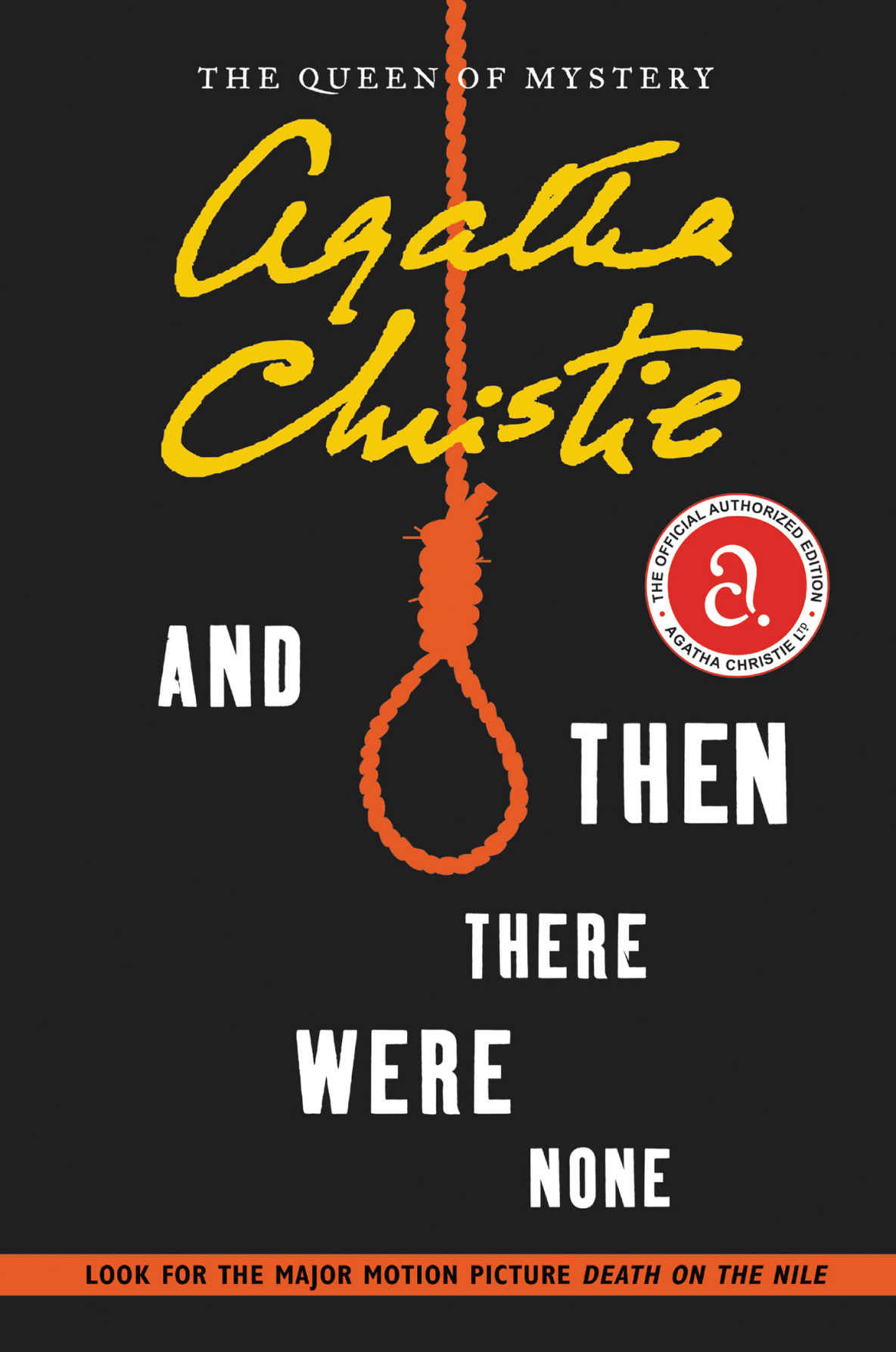
First, there were ten — a curious assortment of strangers summoned as weekend guests to a little private island off the coast of Devon. Their host, an eccentric millionaire unknown to all of them, is nowhere to be found. All that the guests have in common is a wicked past they're unwilling to reveal — and a secret that will seal their fate. For each has been marked for murder. One by one they fall prey. Who has choreographed this dastardly scheme? And who will be left to tell the tale? Only the dead are above suspicion.

A. Kerrigan & A. Bonner (translators)
The seventeen pieces in Ficciones demonstrate the gargantuan powers of imagination, intelligence, and style of one of the greatest writers of this or any other century. Borges sends us on a journey into a compelling, bizarre, and profoundly resonant realm; we enter the fearful sphere of Pascal’s abyss, the surreal and literal labyrinth of books, and the iconography of eternal return. To enter the worlds in Ficciones is to enter the mind of Jorge Luis Borges, wherein lies Heaven, Hell, and everything in between.
First published in 1959, Shirley Jackson's The Haunting of Hill House has been hailed as a perfect work of unnerving terror. It is the story of four seekers who arrive at a notoriously unfriendly pile called Hill House: Dr. Montague, an occult scholar looking for solid evidence of a “haunting”; the light-hearted and independent Theodora; Eleanor, a friendless and fragile woman desperately seeking to remake herself; and Luke, the future heir of Hill House. At first, their stay seems destined to be merely a spooky encounter with inexplicable phenomena. But Hill House is gathering its powers — and soon it will choose one of them to make its own.
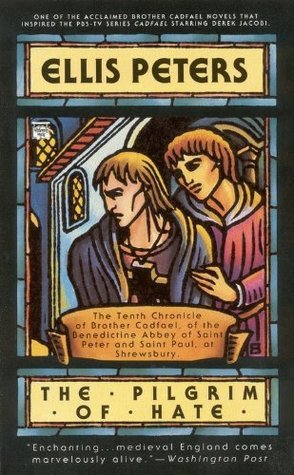
In the year of our Lord 1141, civil war over England’s throne leaves a legacy of violence — and the murder of a knight connected to Brother Cadfael. And with gentle bud-strewn May, a flood of pilgrims comes to the celebration of Saint Winifred at the Abbey of Saint Peter and Saint Paul, carrying with it many strange souls — and perhaps the knight’s killer. Cadfael’s shrewd eyes see all: the prosperous merchant who rings false, an angelic lame boy, his beautiful dowerless sister, and two wealthy penitents. In the name of justice, Cadfael decides to uncover the strange and twisted tale that accompanies these travelers.
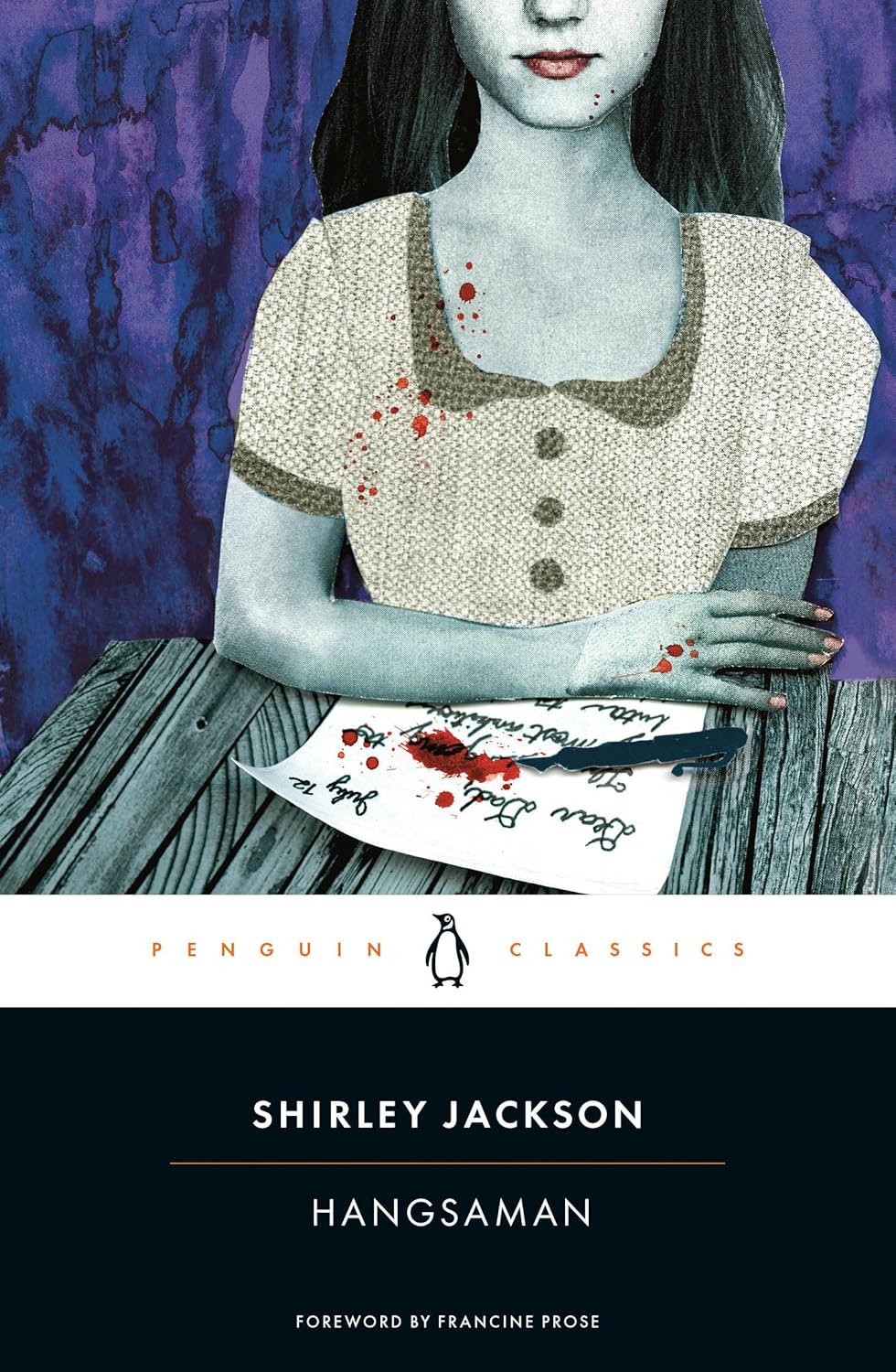
Seventeen-year-old Natalie Waite longs to escape home for college. Her father is a domineering and egotistical writer who keeps a tight rein on Natalie and her long-suffering mother. When Natalie finally does get away, however, college life doesn’t bring the happiness she expected. Little by little, Natalie finds she is no longer certain of anything — even where reality ends and her dark imaginings begin. Chilling and suspenseful, Hangsaman is a story of the bitter cruelty of the passage from adolescence to womanhood, for a sensitive and lonely girl caught in a world not of her own devising.
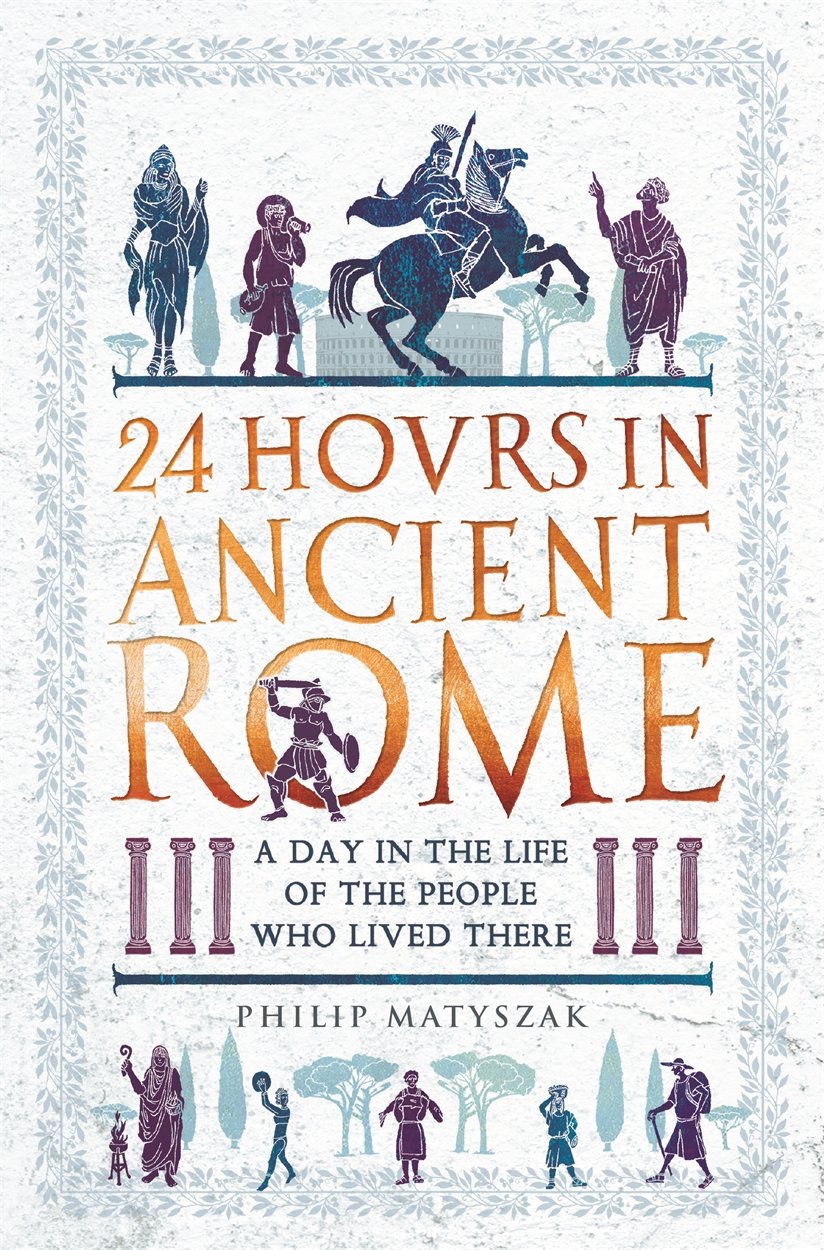
Walk a day in a Roman’s sandals. What was it like to live in one of the ancient world’s most powerful and bustling cities — one that was eight times more densely populated than modern day New York? In this entertaining and enlightening guide, bestselling historian Philip Matyszak introduces us to the people who lived and worked there. In each hour of the day we meet a new character — from senator to slave girl, gladiator to astrologer, chef to water-clock maker — and discover the fascinating details of their daily lives.
Last night I dreamed I went to Manderley again... On the French Riviera, a young, insecure woman — orphaned and working as a lady's companion — falls in love with the immensely wealthy widower Maxim de Winter. When he suddenly proposes marriage, she can hardly believe her good fortune. It is only when they arrive at Manderley, her husband’s cavernous estate on the Cornish coast, that she realizes how vast a shadow his late wife, Rebecca, will cast over their lives — a lingering evil that threatens to destroy them from beyond the grave.